Skip to content

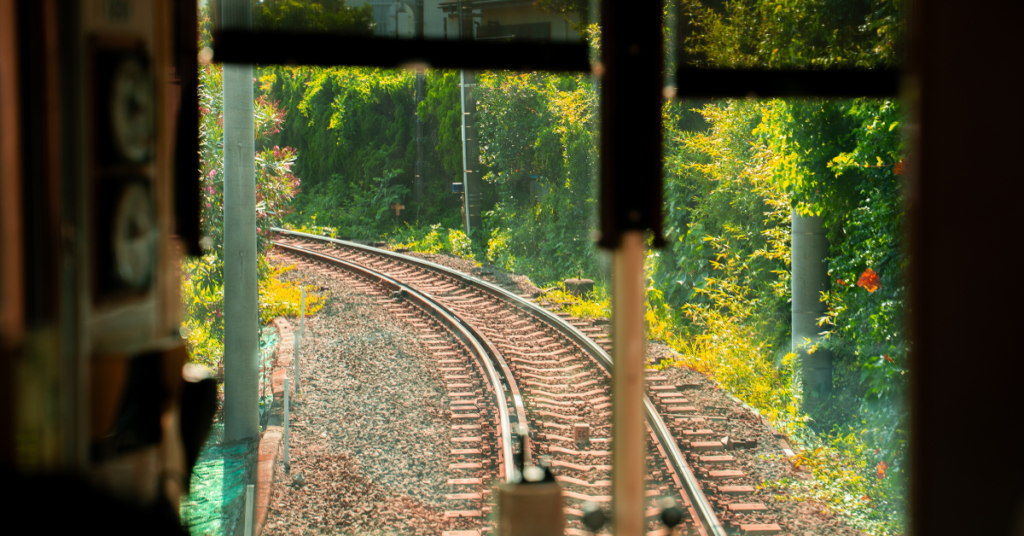
Depending on your situation, traveling around Japan can be expensive, affordable, or a mix of both. But if you’re already living here through a language program, you have something most tourists don’t: a home base, an IC card, and potentially a more flexible schedule than those working a full-time job.
Here’s how to see more of Japan for less, starting from the city you already call home.
The basics: how to keep costs down anywhere in Japan
Before you start booking, a few principles that apply no matter where you’re based.
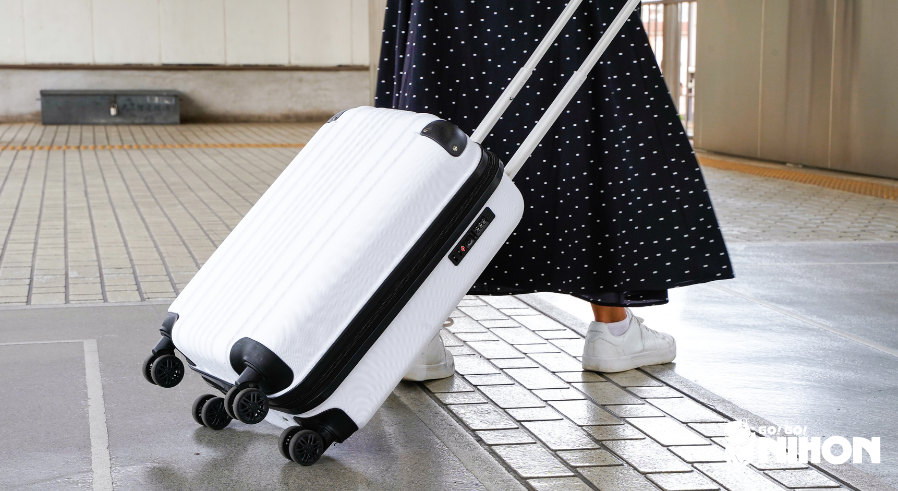
Transport: The Shinkansen is fast and iconic, but highway buses are a fraction of the price and run overnight, which means that you can save on an accommodation fee as well. If you do want to take the Shinkansen, it’s worth booking through Smart EX, the official online reservation system. They have early-bird fares that give you discounts depending on how far in advance you book. For longer distances, budget airlines like Peach and Jetstar connect most major cities for surprisingly low fares if you book ahead.
Food: Convenience stores like 7-Eleven, Lawson, and FamilyMart serve genuinely good meals for a few hundred yen. Gyūdon chains like Sukiya and Matsuya are reliable and cheap. And at sit-down restaurants, the lunch set is almost always the same quality as dinner, but at half the price.
Accommodation: For short trips, hostels, capsule hotels, and manga cafés are all solid options that keep costs low without sacrificing location. Many are conveniently located in the center of town. Japanese business hotels (APA, Toyoko Inn, etc) also provide well-located rooms at affordable prices. The standard of cleanliness and service tends to be higher than people may expect, especially when compared to other hotels of around a similar price.
Timing: Avoid traveling during Golden Week (late April to early May), Obon (mid-August), and peak cherry blossom season. Prices for transport and accommodation spike across the board because everyone is traveling. Shoulder seasons are not only cheaper, they’re often a better experience because they’ll be less crowded too.
Money: Load up a Suica or PASMO IC card for seamless local transit. If you need to withdraw cash, 7-Bank and Japan Post ATMs are the most reliable for foreign cards. Make sure you always have cash on you, as Japan has always been a cash-heavy society and rural areas still rely heavily on cash.
Travel from your city
One of the underrated perks of living in Japan long term is that you can travel slowly and cheaply. You’re not rushing to see everything in two weeks; you can take a bus on a Friday night, spend a weekend somewhere new, and be back by Sunday. Here’s what’s possible from the cities where we have Go! Go! Nihon partner schools.
Greater Tokyo — Tokyo, Yokohama, and Chiba
Tokyo is one of the best-connected cities in the world, which means day trips are easy and overnight trips are even easier. Kamakura and Nikko are classic day trips that cost very little once you’re on a local train. For longer trips, overnight highway buses to Matsumoto, Nagano, or even Osaka depart regularly from Shinjuku Expressway Bus Terminal and save you both travel time and a night’s accommodation.
Yokohama is practically Tokyo’s backyard, but it has its own distinct character — Chinatown, Minato Mirai, and the harbor area make for a great low-cost half-day out. Chiba is similarly close, and the Bōsō Peninsula to the south offers quiet seaside towns and hiking trails that most Tokyo residents never bother to explore.
Kawaguchiko at the base of Mount Fuji is another easy and affordable trip from Tokyo. You can rent a bike and take in some remarkable views of the lake and mountain from your bicycle.
Kansai — Kyoto, Osaka, and Kobe
The Kansai region might be the best value travel zone in Japan. Three distinct, world-class cities sit within 30 minutes of each other on cheap local trains, which means you can be based in one and treat the others as extensions of your own neighborhood. Nara is a short trip from both Kyoto and Osaka and is famous for its deer and heritage sites, as a former imperial capital. Himeji and Uji are also both easy day trips worth the ride.
For longer trips, Peach operates out of Kansai International Airport and offers some of the cheapest domestic fares in the country. Sapporo, Fukuoka, and Okinawa are all within reach on a budget.
Hiroshima
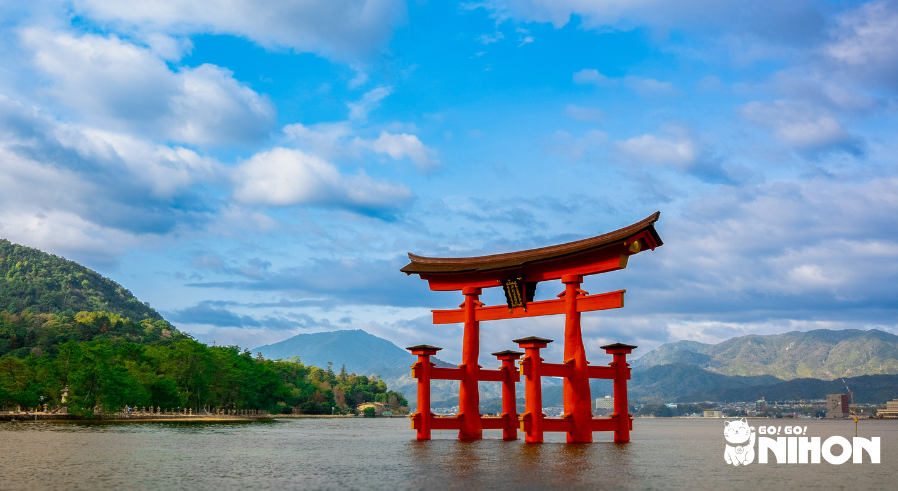
Hiroshima is one of the most rewarding cities in Japan to visit, and much of what makes it special is free. The Peace Memorial Park and Museum are moving, important, and very affordable. Miyajima Island — home to the famous floating torii gate — is a short ferry ride away and worth a full day visit. For an overnight trip, the slow ferry to Matsuyama on Shikoku is scenic, relaxed, and cheap.
Fukuoka
Fukuoka is Japan’s most underrated city for budget travelers. Food is cheap (the local ramen alone is worth the trip), the city is compact and easy to navigate, and it serves as a gateway to the rest of Kyūshū — Beppu’s hot springs, Nagasaki’s history, and Kagoshima’s dramatic volcanic scenery. It’s also one of the few places in Japan where a short international trip is genuinely affordable: ferries to Busan, South Korea run regularly and cost very little.
Sapporo
Hokkaido is vast, beautiful, and home to the Ainu, the indigenous people of northern Japan. From Sapporo, you’re within reach of some of Japan’s most dramatic landscapes — Furano’s lavender fields in summer, Niseko and the surrounding ski areas in winter (far cheaper than the resort prices you’ll see advertised to tourists), and quiet coastal towns that feel like a completely different country. If you want to go further, Hokkaido’s highway bus network covers a lot of ground for very little money.
Your home base is already your biggest advantage
The best thing about traveling in Japan while you’re living here is that you don’t have to rush. You can go somewhere slow, eat at the local spots, take the scenic route, and come back when you’re ready. Tourists rarely get to do that.
If you’re not yet based in Japan but you’re thinking about it, that’s where we come in. Go! Go! Nihon helps you find the right language school in the right city — and from there, the rest of the country is yours to explore.
To learn more about moving to Japan make sure to contact us and check out our blog.