Skip to content

Summer in Japan brings its own distinct vocabulary, like the sounds of cicadas and the small talk everyone shares about the heat. This guide covers 36 seasonal words across six categories — weather, nature, food, festivals, staying cool, and everyday expressions — so you can talk about the season like a local.
Weather and climate words
Japanese summers are known for their heat and humidity, and the language has plenty of specific vocabulary to describe exactly how hot, sticky, or stormy any given day is.
Vocabulary to learn
| Japanese | Reading | Meaning |
| 猛暑 | mōsho | extreme heat |
| 蒸し暑い | mushiatsui | humid and hot |
| 夕立 | yūdachi | sudden evening shower |
| 入道雲 | nyūdōgumo | towering cumulonimbus cloud |
| 梅雨明け | tsuyu-ake | end of the rainy season |
| 蝉時雨 | semishigure | chorus of cicadas (literally “cicada rain”) |
Ways to practice
Check the weather forecast in Japanese each morning and try describing the day’s conditions out loud before you look at the English translation. Weather reports are a low-pressure, repetitive source of listening practice, and the vocabulary repeats constantly through the season. It’s also just generally useful for daily life in Japan because people are always down to talk about the weather.
Nature and outdoors
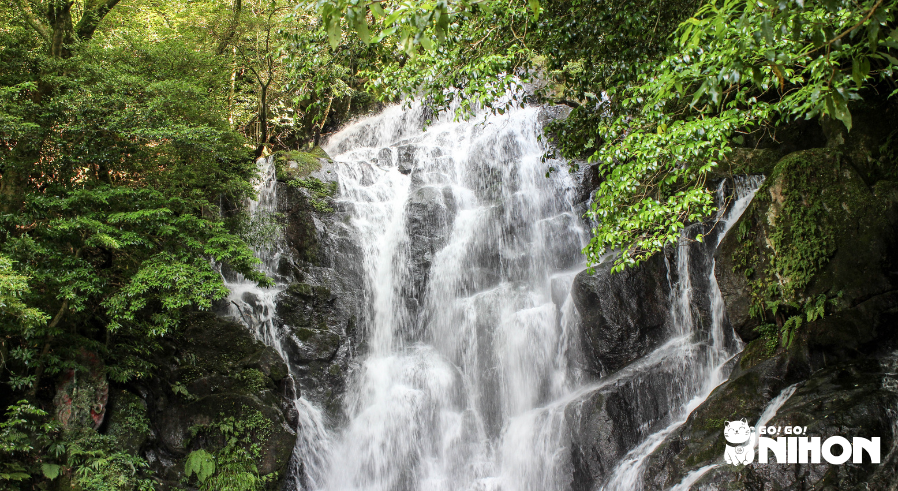
Summer in Japan has its own set of seasonal markers in nature, like the first cicadas of the year and the official start of beach and mountain season.
Vocabulary to learn
| Japanese | Reading | Meaning |
| 蝉 | semi | cicada |
| 向日葵 | himawari | sunflower |
| 積乱雲 | sekiran’un | thundercloud |
| 海開き | umibiraki | official beach opening day |
| 山開き | yamabiraki | official mountain opening day |
| 木陰 | kokage | shade of a tree |
Ways to practice
Keep an eye out for seasonal words in Japanese news headlines around late June and July — umibiraki and yamabiraki dates are announced regionally and often make local news, which is a good real-world way to see these words in context.
Food and drink
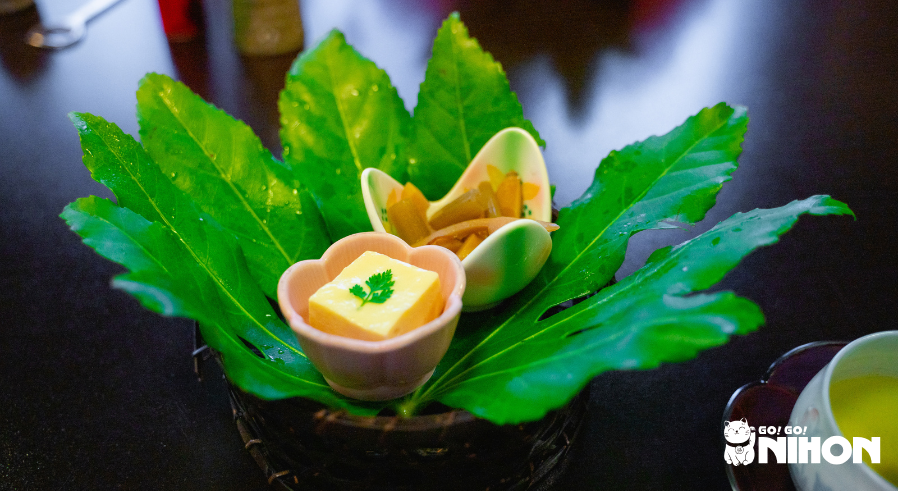
Summer food in Japan is built around cooling down and refueling after the heat, and a lot of seasonal dishes and customs have their own dedicated vocabulary.
Vocabulary to learn
| Japanese | Reading | Meaning |
| 土用の丑の日 | doyō no ushi no hi | traditional day for eating eel in midsummer |
| 冷奴 | hiyayakko | chilled tofu topped with garnishes |
| 枝豆 | edamame | boiled soybeans in the pod (also known as “edamame” in English) |
| 西瓜割り | suikawari | blindfolded watermelon-splitting game |
| 焼きなす | yakinasu | grilled eggplant |
| 果物狩り | kudamono-gari | fruit picking |
Ways to practice
Look up a 土用の丑の日 menu at a local restaurant if you’re in Japan, or read about the custom’s history if you’re studying abroad. Learning the story behind a food custom tends to make the vocabulary stick better than memorizing it on its own.
Festivals and events
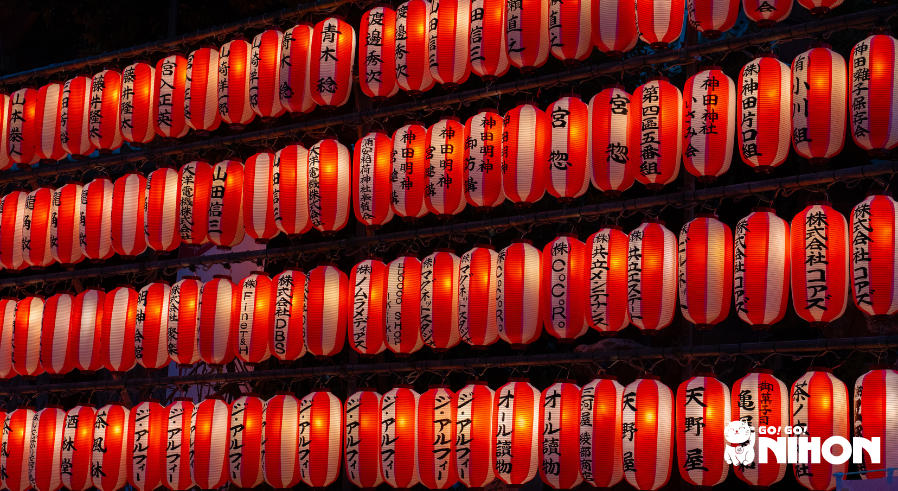
Beyond fireworks and food stalls, Japanese summer festivals have their own cast of recurring sights and sounds worth knowing the words for.
Vocabulary to learn
| Japanese | Reading | Meaning |
| 盆踊り | bon odori | traditional folk dance performed at festivals |
| 提灯 | chōchin | paper lantern |
| 縁日 | ennichi | festival or fair day, often held at a shrine |
| 神輿 | mikoshi | portable shrine carried through the streets |
| 灯籠流し | tōrō nagashi | ceremony of floating lanterns down a river |
| 花火師 | hanabishi | fireworks artisan |
Ways to practice
If you’re near a shrine during Obon season, look for a bon odori event — most are open to anyone, including beginners, and the repetitive calls and music make for easy listening practice while you watch or join in.

How to stay cool
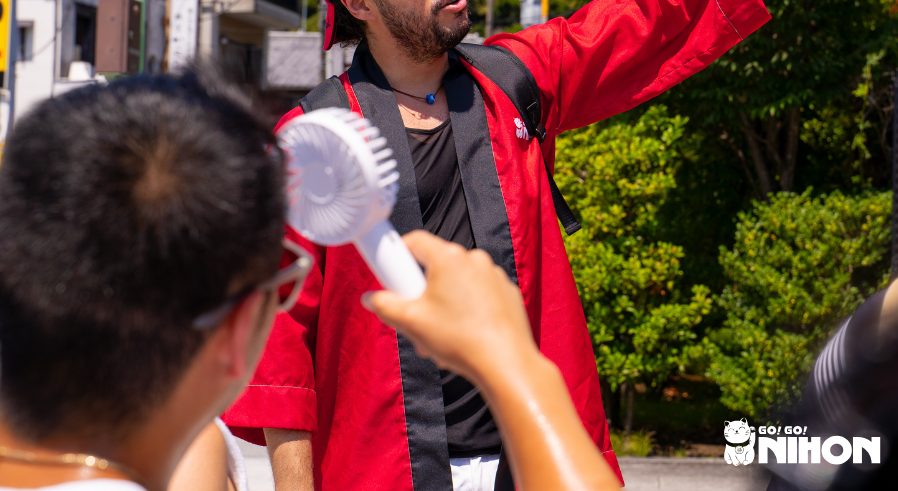
Staying cool is practically its own summer skill in Japan, with a whole category of gear and habits built around trying to survive the heat.
Vocabulary to learn
| Japanese | Reading | Meaning |
| 冷房 | reibō | air conditioning |
| ハンディファン | handi fan | portable handheld fan |
| 日傘 | higasa | parasol or sun umbrella |
| 保冷剤 | horeizai | reusable cooling or ice gel pack |
| 氷枕 | kōrimakura | ice pillow, used for sleeping in the heat |
| 日陰 | hikage | shade or a shaded spot |
Ways to practice
Next time you’re out on a hot day, try narrating your own cooling-off routine in Japanese: what you’re using, why, and how well it’s working. It’s a simple way to turn a daily habit into active vocabulary practice.
Common summer expressions
A handful of phrases come up constantly in Japanese summer small talk, from greetings about the heat to describing how tired it makes you.
Vocabulary to learn
| Japanese | Reading | Meaning |
| 暑いですね | atsui desune | “It’s hot, isn’t it?” — a common summer greeting |
| 夏バテ | natsu bate | summer fatigue or heat exhaustion |
| お盆休み | obon yasumi | Obon holiday break |
| 涼を取る | ryō o toru | to cool oneself off |
| 汗だく | asedaku | drenched in sweat |
| 夏休み | natsu yasumi | summer vacation |
Ways to practice
「暑いですね」is one of the most natural ways to strike up small talk with a stranger in Japan during summer — try using it as an icebreaker with a shopkeeper, classmate, or neighbor and see where the conversation goes from there.
FAQ
What’s the best way to learn seasonal Japanese vocabulary?
Learning vocabulary tied to a season, custom, or event tends to stick better than studying word lists in isolation, especially because you can apply that knowledge to your daily life in Japan. Try to use each word the same week you learn it, whether that’s in conversation, a journal entry, or just narrating something you’re doing.
Is Japanese summer vocabulary tested on the JLPT?
Some of these words, like common expressions and everyday nouns, may appear at various JLPT levels, but the exam doesn’t test seasonal vocabulary as its own category. Learning it is more useful for real-world fluency and cultural understanding than for exam prep specifically.
How is 夏 (natsu) used in compound words?
夏 (natsu, “summer”) shows up in many compound words beyond the ones listed here, such as 夏休み (natsu yasumi, “summer vacation”) or 夏祭り (natsu matsuri, “summer festival”). Recognizing 夏 as a building block makes it easier to guess the meaning of new compound words you come across.
To keep building your Japanese vocabulary season by season, check out our guide on spring vocabulary, or read more about studying Japanese in Japan with Go! Go! Nihon. If you’d like to start your Japanese language learning journey in Japan, don’t hesitate to contact us and speak to one of our dedicated student advisors.