Skip to content

Japan is a country with no shortage of incredible food. Sushi, ramen, and tempura have earned their global fame — but they only scratch the surface of what Japanese cuisine has to offer.
Japan’s 47 prefectures each have their own local specialties, shaped by geography, history, and centuries of culinary tradition. These are the dishes that locals grew up eating, that define a region’s identity, and that rarely make it onto menus outside of Japan. Here are 13 regional foods worth trying.
Sake (nihonshu)
Origin: Nara Prefecture
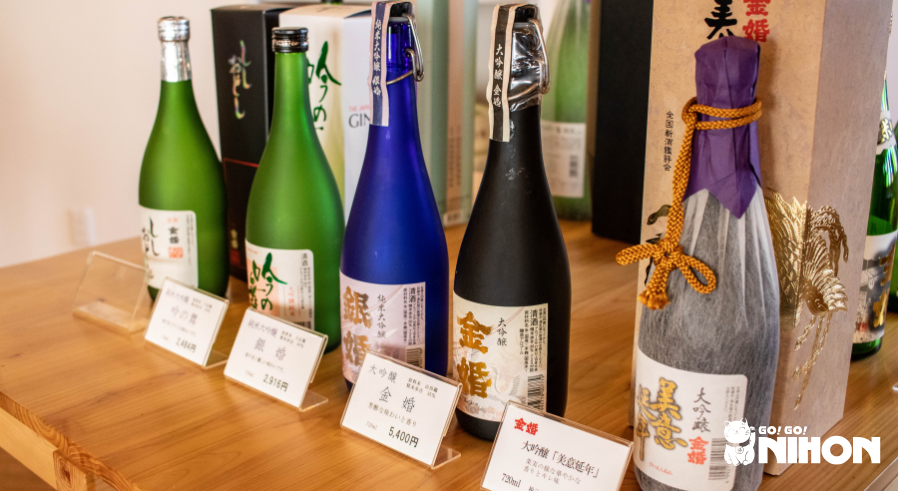
Sake needs no introduction as a drink, but its origins might surprise you. Nara Prefecture is widely considered the birthplace of refined sake as we know it today. Back in the 1400s, monks at Shōryakuji Temple developed the three-stage fermentation process used to create seishu — clear sake — and pioneered a form of pasteurization that predates Western science by centuries.
While sake is brewed across Japan today, Nara remains the spiritual home of the craft. If you visit, look out for local breweries offering tastings of their regional varieties.
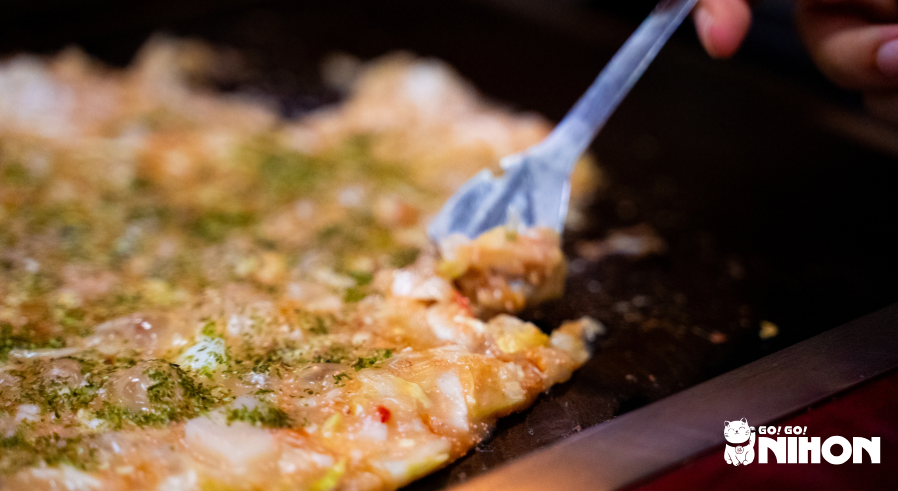
Monjayaki
Origin: Tokyo
Monjayaki — or monja, as locals call it — is Tokyo’s answer to the savory pancake. If you’re familiar with okonomiyaki, think of monja as its runnier, more casual cousin. The batter is much more liquid, and as it cooks on the griddle, it slowly forms a crispy, caramelized crust along the bottom that you scrape up and eat directly off the iron.
It’s a quintessential Tokyo street food experience, and Tsukishima is the place to try it, as this neighborhood is packed with monja restaurants that have been serving it for generations.
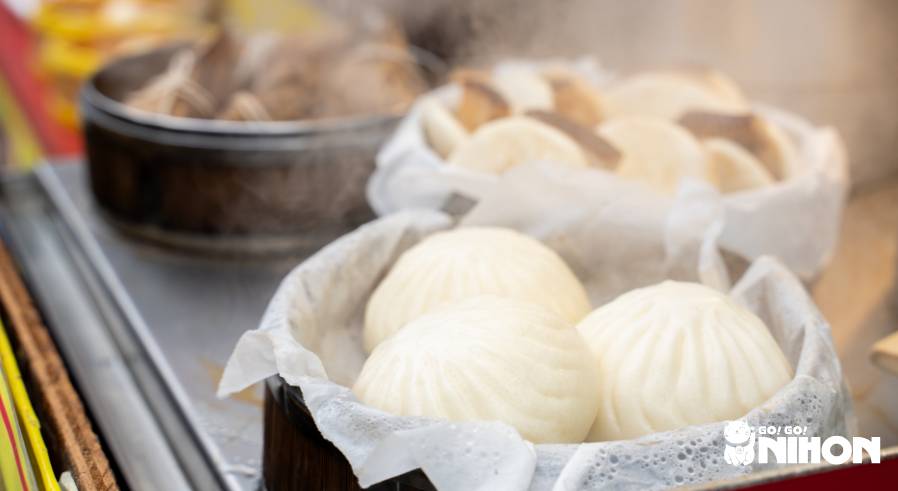
Yokohama Chinatown eats (chuka-ryōri)
Origin: Kanagawa Prefecture
Japan’s largest Chinatown is in Yokohama, and it has been there since the port opened to the world in 1859. For over more than 160 years, the food here has evolved into its own distinct genre called chuka-ryōri, a Japanese-Chinese fusion.
The neighborhood is best explored on foot and on an empty stomach. Look out for giant steamed pork buns and savory shumai dumplings sold that you can eat on the street.
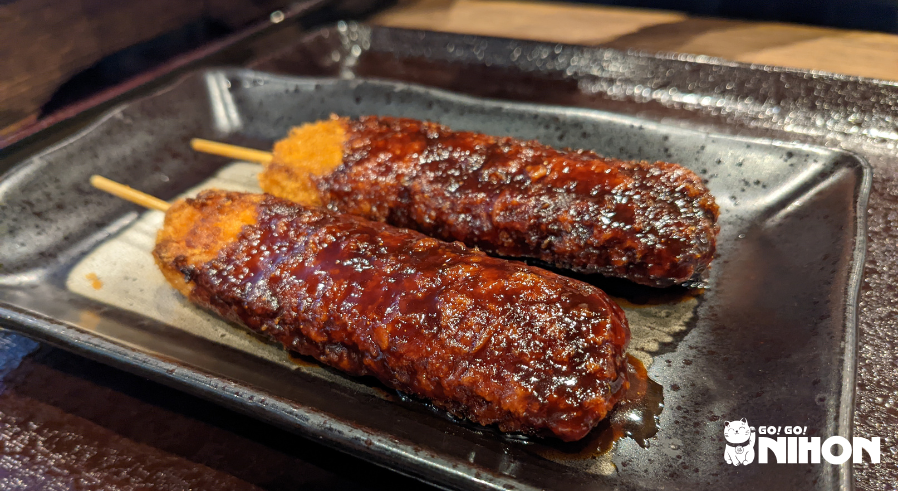
Red miso (mame miso)
Origin: Aichi Prefecture
Most miso is fermented for a few weeks or months. Nagoya’s red miso — known as mame miso — is fermented for up to three years. The result is a deeply dark, intensely savory paste that forms the backbone of Nagoya Meshi, the city’s beloved local cuisine.
You’ll find it used in everything from stews to grilled dishes, but the most famous application is miso katsu: a crispy deep-fried pork cutlet topped with a thick, rich red miso sauce. It’s bold, heavy, and deeply satisfying.
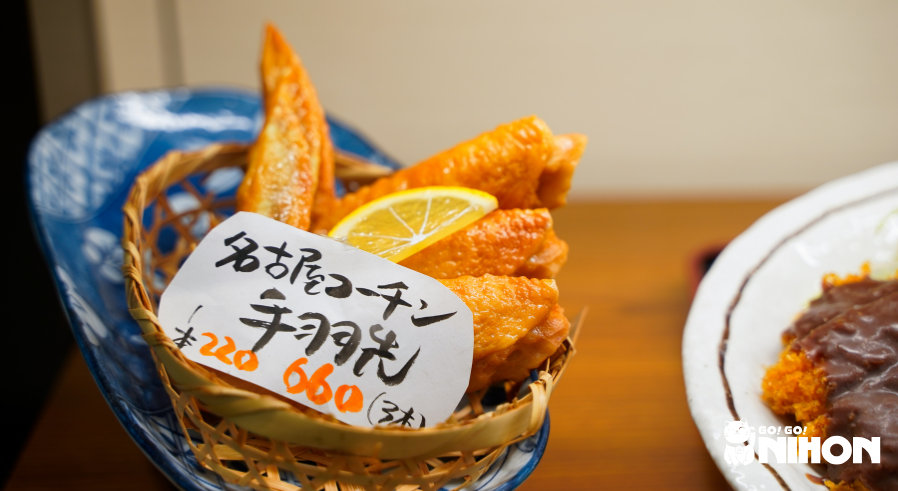
Tebasaki
Origin: Nagoya
Tebasaki are Nagoya’s signature chicken wings, and once you’ve had them, regular wings feel like a step down. They’re double-fried for an exceptionally crunchy, almost glass-like texture, then tossed in a sweet and savory soy glaze and finished with a generous dusting of white pepper.
They’re a staple of izakayas throughout Nagoya and are considered the ultimate drinking snack. Order them with a cold beer and see how many rounds you get through before the night is over.
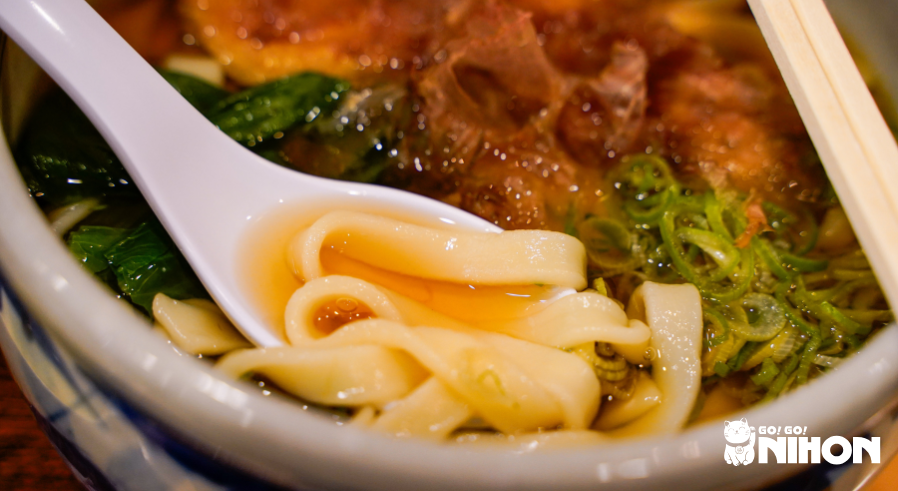
Kishimen
Origin: Nagoya
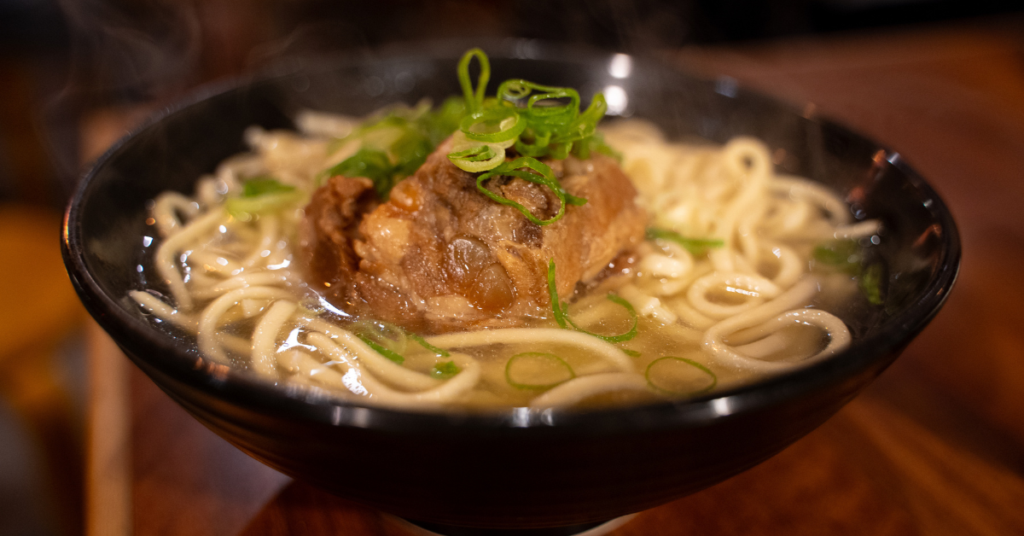
Every region of Japan has its signature noodle, and Nagoya’s is kishimen — broad, flat noodles with a satisfyingly slippery texture. Legend has it the flat shape was designed to cook faster, making them ideal for serving hungry travelers passing through the area.
Kishimen are traditionally served in a light soy-based broth topped with bonito flakes and green onion. They’re subtle and comforting, and a reminder that some of the best regional dishes are also the simplest.
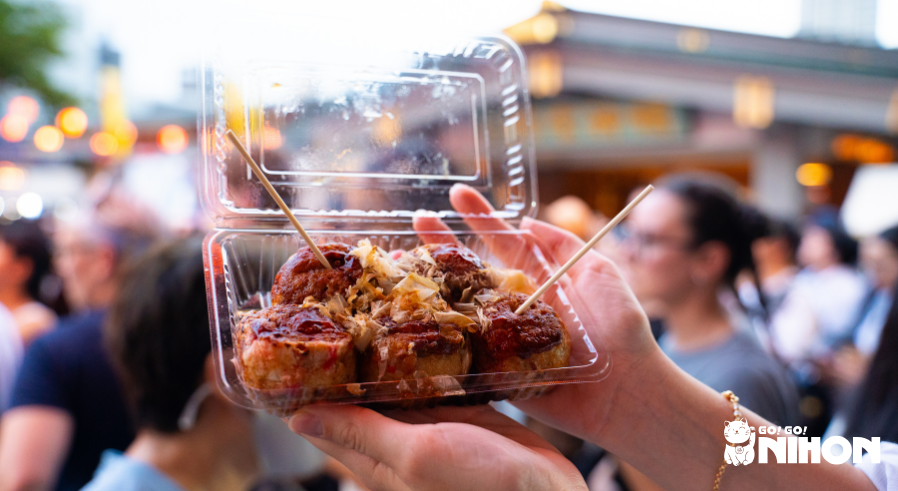
Takoyaki
Origin: Osaka
Ask any Osakan what defines their city’s food culture and they’ll probably say takoyaki. These small, round batter balls are cooked in specialized iron molds until golden and crispy on the outside, while the inside stays hot and molten-creamy, hiding a chunk of octopus, pickled ginger, and green onion.
They’re finished with a drizzle of brown sauce, Japanese mayo, dried seaweed, and dancing bonito flakes — and they will absolutely burn the roof of your mouth. Eat them anyway, but beware.
Fun fact: The iron molds used to make takoyaki are a staple kitchen item in Osaka households.
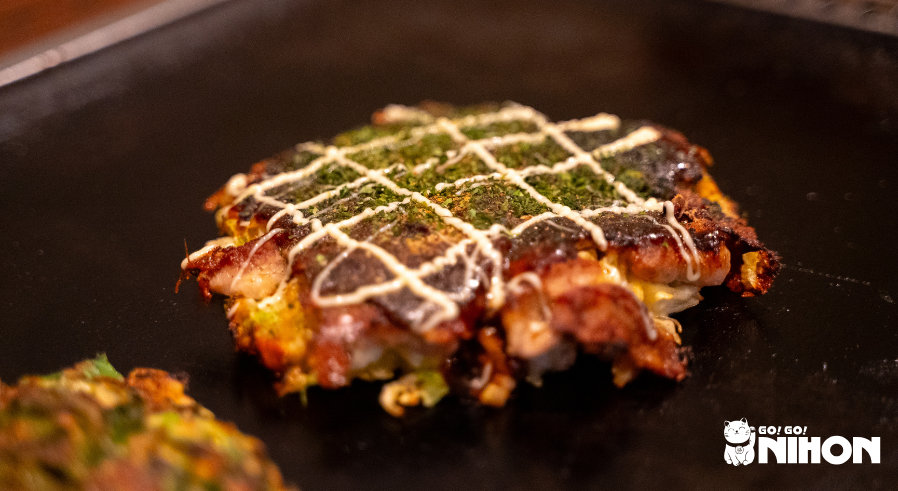
Okonomiyaki (Osaka style)
Origin: Osaka
Okonomiyaki translates to “grill what you like,” and in Osaka, that means mixing all the ingredients together — shredded cabbage, flour, egg, dashi broth, and your choice of protein — before hitting the griddle. The result is a thick, savory pancake topped with brown sauce, Japanese mayo, aonori (seaweed powder), and katsuobushi (bonito flakes).
Note that Hiroshima has its own distinct version, where the ingredients are layered rather than mixed. Both are delicious, and both cities will tell you theirs is the real one.
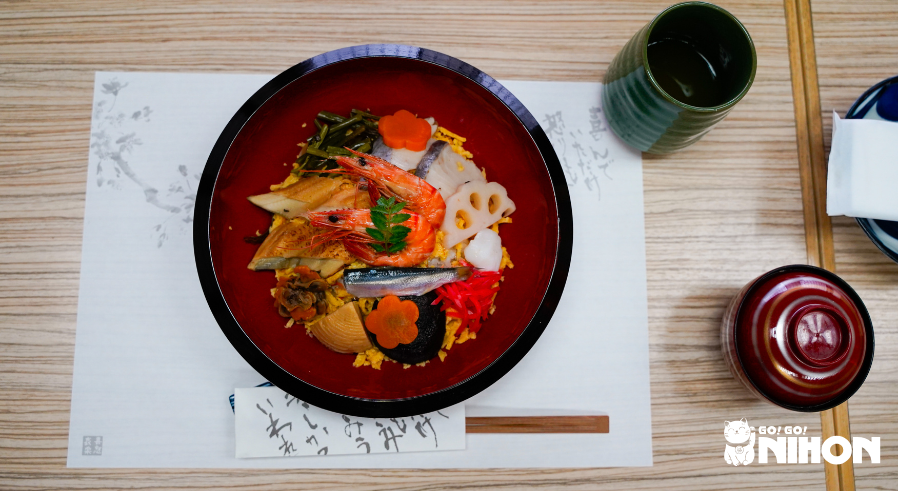
Barazushi
Origin: Okayama
Barazushi is a scattered sushi style featuring a colorful arrangement of local seafood and vegetables over seasoned rice. What makes it especially interesting is its history: this dish was originally invented as a workaround. Ancient Japanese laws forbade commoners from serving overly luxurious food, so locals hid their premium ingredients beneath a layer of plain rice to stay technically compliant.
The laws are long gone, but the style remains — and today it’s proudly served as a celebratory dish across Okayama.
Demi katsudon
Origin: Okayama
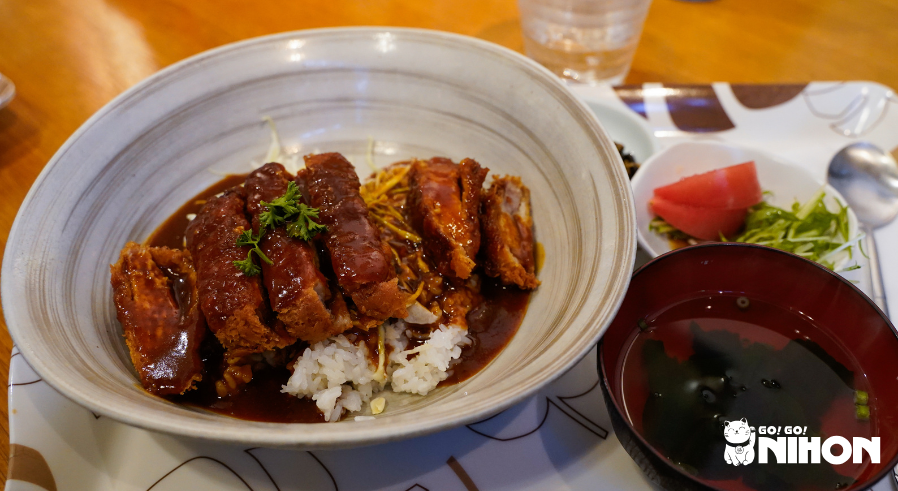
Katsudon — a pork cutlet served over rice in a savory egg and soy-dashi sauce — is a classic Japanese comfort food. Okayama’s version takes a different turn: instead of the traditional egg-based sauce, it uses a rich, dark demi-glace. The result is heavier and more Western in flavor, reflecting the strong foreign culinary influence that shaped this part of Japan during the Meiji era.
It’s a small but meaningful twist on a beloved dish, and well worth trying.
Hinase kakioko
Origin: Hinase, Okayama
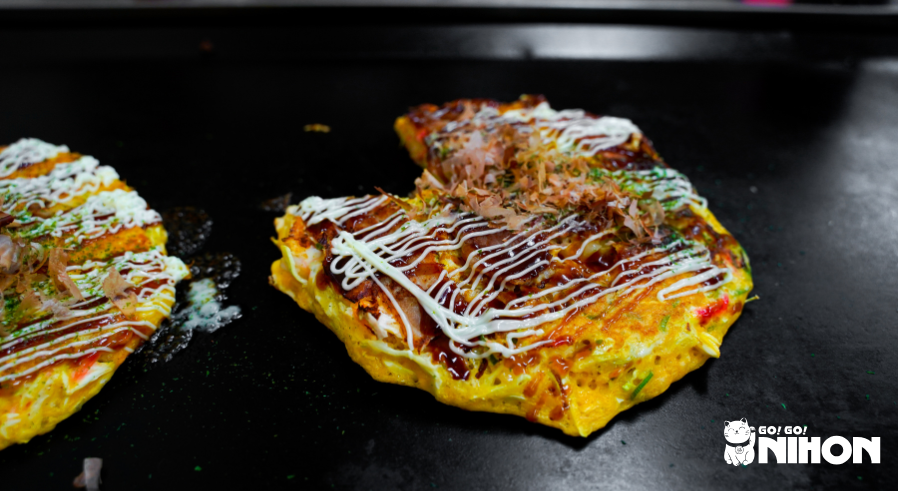
The name says it all: kakioko is a portmanteau of kaki (oyster) and okonomiyaki. In the small coastal town of Hinase, fresh oysters from the local bay are packed generously into savory pancake batter and cooked until golden.
This is a seasonal dish — best during winter when the oysters are at their plumpest and most flavorful. Food lovers travel from Osaka and beyond specifically to eat kakioko during peak season. If you are there between November and March, it’s well worth the detour.
Hakata ramen
Origin: Fukuoka
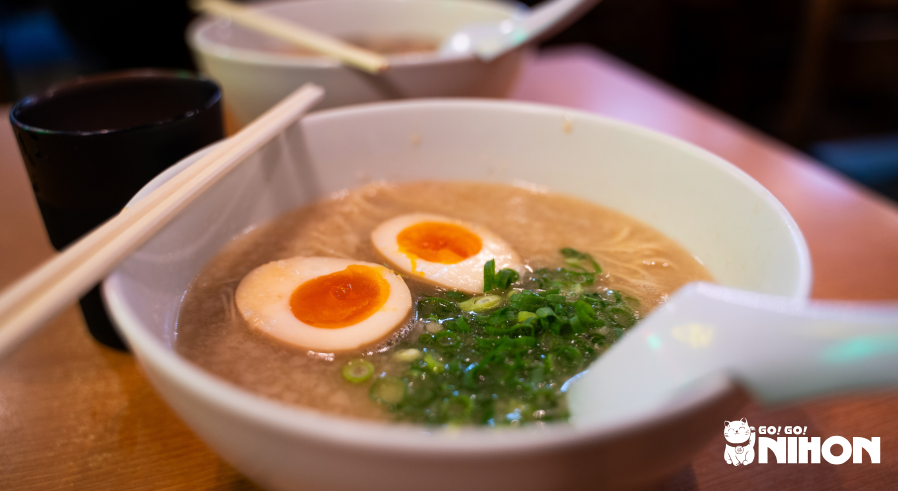
Hakata ramen is the original tonkotsu ramen — the creamy, milky-white pork bone broth that has since inspired ramen shops all over the world. It’s made by boiling pork bones at a vigorous rolling boil for many hours, which emulsifies the fat and collagen into a rich, almost opaque broth. Served with thin, firm noodles and toppings like chashu pork and soft-boiled egg, it’s a bowl that earns its legendary reputation.
A uniquely Fukuoka custom worth knowing: kaedama, where you order a fresh serving of noodles to drop into your remaining broth at the end of the bowl.
Goya champuru
Origin: Okinawa
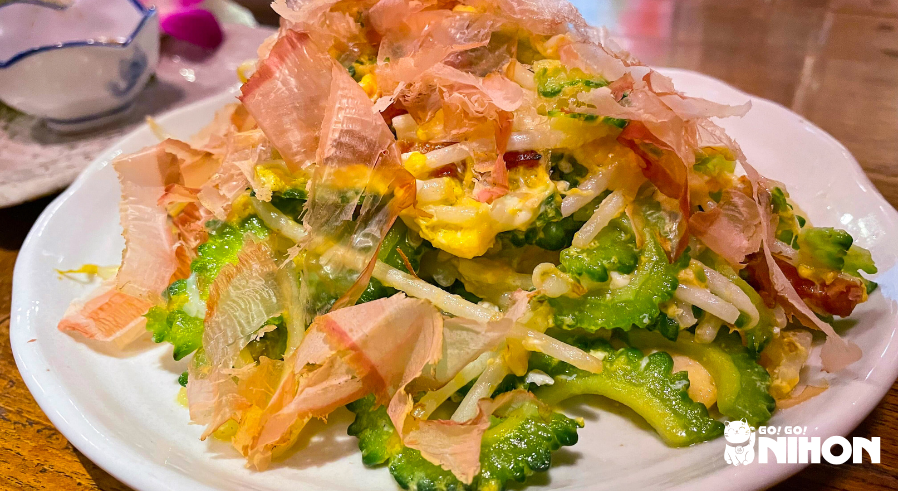
Goya champuru is arguably the most iconic dish in Okinawan home cooking. It’s a straightforward stir-fry of goya (bitter melon), tofu, egg, and pork that’s seasoned with soy sauce and dashi. The bitterness of the goya is genuine and upfront, but it balances beautifully against the richness of the egg and pork.
Okinawa is famous for having one of the highest concentrations of centenarians in the world, and dishes like this one — packed with nutrients and made from fresh local ingredients — are often cited as part of the reason why.
Travel Japan through your tastebuds
Japan’s regional food culture is deep, diverse, and endlessly worth exploring. These 13 dishes are just a starting point — travel to any prefecture in the country and you’ll find local specialties that tell their own story about the place and the people who live there.
To learn more about life in Japan and Japanese cuisine, check out our blog. Interested in moving to Japan? Make sure to contact us.