Skip to content


Is it really possible to learn Japanese from manga? It can actually be an effective tool for practicing reading, learning new vocabulary, and overall increasing your level of fluency. Reading and speaking Japanese can be very different, and it is important to practice both skills. Luckily, manga can help you there.
We’ve put together a quick guide on how to learn Japanese from manga and a few keywords to look for.
Kanji
If you’ve already started learning Japanese, you’ll likely have come across kanji and realized that it will be one of the biggest challenges when it comes to learning Japanese.
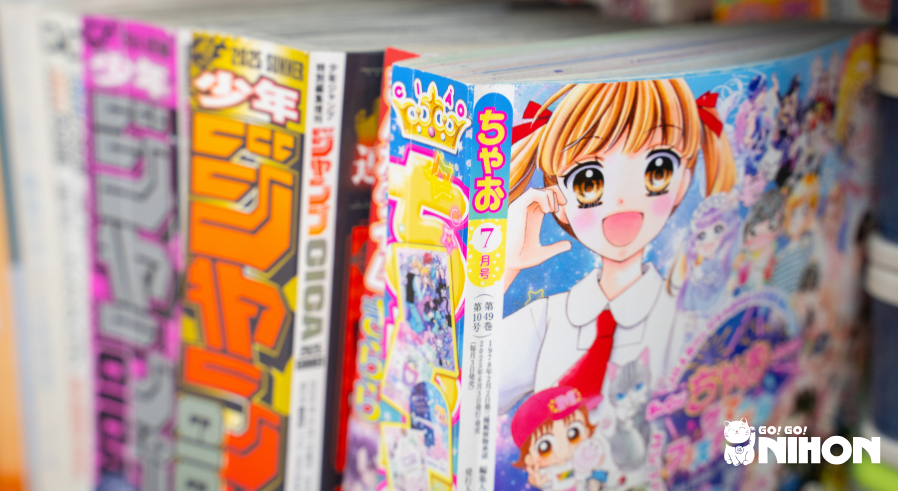
Learning kanji takes time, study, and a lot of repetition. Manga is actually an excellent way to become familiar with kanji and how its used in context. Usually, the kanji found in manga often has furigana alongside each character to help guide readers through its pronunciation if they’re unfamiliar with the kanji. Furigana is small kana (hiragana or katakana) that help make text more accessible to a broader audience (like children or people learning Japanese). It’s common to see in children’s books.
Having the kanji in a narrative form, accompanied by images, helps to give readers plenty of context in deciphering its meaning quickly and effectively.
Ateji
Another element of kanji worth exploring in manga is the ateji (当て字, “assigned characters”). Ateji are kanji that represent a word based on phonetics, not meaning. In other words, the kanji symbol(s) used for a word may not have the direct meaning of the symbols being used, but they do have the correct sounds for it.
The most commonly used example of this is sushi (寿司), which is written with the symbol for “longevity or celebration” (kotobuki, 寿) and “to administer or rule”(tsukasadoru, 司), both of which have absolutely nothing to do with food. Together, these two symbols mean “administering auspicious/happy events,” but they’re used to write “sushi.”
In the past, ateji was regularly used for loan words in Japanese. Today, it is more standard to find katakana used for loan words instead. The most common places where you’ll find ateji today are on traditional store signs, menus, manga, and song lyrics.
It is good to learn the most well-known ateji, as they can regularly be found in newspapers, articles, and manga. For example, countries often have ateji. Here are a few examples to get you started:
- 伊: Italy
- 英: England
- 米: USA
- 可愛い: kawaii, although this is usually written in hiragana
- 沢山 (takusan): “many,” this is also usually written in hiragana
- 滅多に (mettani): “rarely”
- 合羽 (kappa): “raincoat,” from the Portuguese “capa”
- 滅茶苦茶 (mechakucha): “absurd”
Onomatopoeia
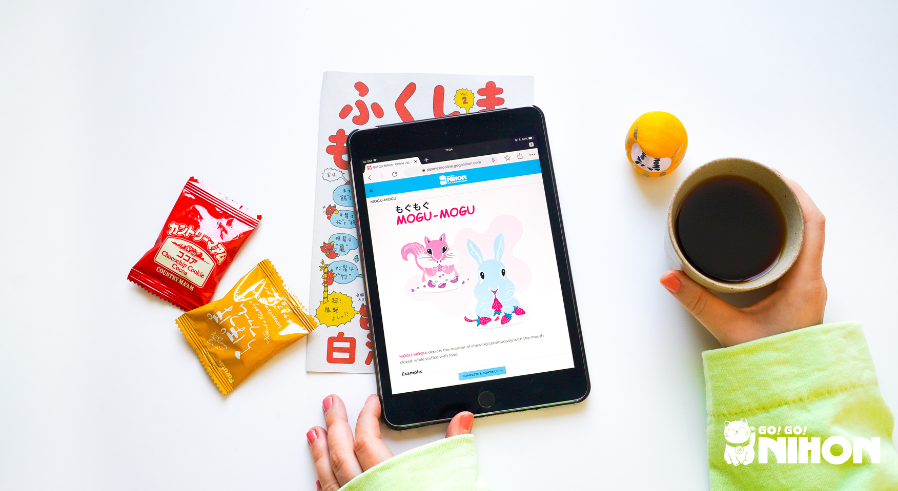
The Japanese language itself has a strong love of onomatopoeia, both in and outside of manga. There’s words for animal sounds, animal movements, and even the different types of rain. Given the enormous amount of these words in Japanese, it’s difficult to know where to start learning, which is why manga is very helpful. Here are a few common ones:
- あはは: the classic “Ah! Ha! Ha!”, a cheerful laugh
- うふふ: a lighter laugh
- くすくす: grinning to oneself
- いひひ: a derisive laugh
- ごろごろ: a rumble of thunder
- ざーざー: incessant rain
- しとしと: a light rain
- しーん: indicates absolute silence
- じー: the sound of an insistent look
- ぼーっ: looking lost in the void
- がばっ: a sudden movement, often used when the character wakes with a start
Adverbs
There are a few more unusual ones that are used more to indicate a feeling for a character or a change of sensation rather than physical things. These adverbs expressed as onomatopoeic words are also very common in manga.
- すっかり: translates as “completely” alone, in the form of onomatopoeia, it indicates something beautiful, which generates a pleasant sensation
- すっきり: “feeling reborn,” “refreshed,” although it can also be used to indicate something is clean.
- いらいら: indicates the character is irritated
- ごろごろ: takes on different meanings depending on the situation. It may indicate a tummy grumbling, a cat purring, the roar of thunder, an object that rolls, etc
- ぺらぺら: normally used to indicate a person who is fluent in a foreign language, in the case of onomatopoeia it is used with talkative characters, or it represents the noise of sheets that are peeled apart
- ぴかぴか: something that shines or makes sparks, very easy to remember if you think that it is also the sound of the famous electric-type Pokémon, Pikachu
Making friends
Are you on SNS (Social Networking Sites, aka what the Japanese call “social media”)? Manga is another way to discover more casual Japanese phrases and slang that people actually use in real life, which you can then use with your new Japanese-speaking friends.
Here are a few words to get you started:
- り: or alternate versions are りょ e りょりょ, it is an abbreviation of りょうかい (了解), “received,” or “understood!”
- 草: this one could be confused by reading the “grass” kanji, but on the internet it is used to indicate a big laugh, as in the case of 笑笑
- エモい: derives from the English word “emotional” and indicates a very strong emotion, which can be both positive and negative
If you love manga and Japanese, why not take the next steps in your studies and make use of your passion in your practice? Contact us to find out more.
Want to explore other study methods and learn more about life in Japan then keep up to date with the rest of the Go! Go! Nihon blog.