Skip to content


A student visa is one of the most rewarding ways to spend time in Japan. It opens doors that other visa types simply don’t: the ability to work part time, access to the national health insurance system, and the chance to build a real life in Japan over months or years. But it also comes with important obligations that you must follow in order to maintain the visa.
This guide explains what a student visa actually gives you, what it requires of you, and how to decide whether it’s the right option for your goals.
What a student visa gives you
If you’re planning to spend six months or more in Japan, a student visa offers a level of stability and access that no short-term option can match.
Permission to work part time
Student visa holders can apply for a part-time work permit, which allows you to work up to 28 hours per week during term time (and full-time during official school breaks). This is a significant benefit — it means you can earn money to offset your living costs, gain real-world Japanese experience, and build connections outside the classroom.
National Health Insurance
As a registered student with a student visa, you are eligible to enroll in Japan’s National Health Insurance (NHI) scheme. This gives you access to Japan’s healthcare system at a fraction of the cost, with the NHI typically covering 70% of medical expenses. Given that unexpected illness or injury can be expensive anywhere, this protection matters.
Long-term stay and stability
A student visa allows you to remain in Japan for the duration of your program — typically six months to two years at a language school, or up to four years at a university or vocational school. This means time to genuinely learn Japanese, build friendships, explore the country, and understand what life here really looks like.
A foundation for your future in Japan
Many students who come to Japan on a student visa go on to find work and transition to a work visa after graduation. Studying long term gives you the language skills, cultural familiarity, and professional network that make this transition far more achievable.

What a student visa requires of you
These benefits come with real responsibilities. The most important one, and the one most commonly misunderstood, is attendance.
Attendance requirements are strict
Japanese language schools take attendance seriously, and so does Japan’s immigration system. Most schools require students to maintain a minimum attendance rate of around 80%, though some schools set the bar higher. Missing classes regularly is not treated as a personal choice — it can have real consequences for your enrollment and your visa status.
It’s also worth knowing that how attendance is calculated varies by school. Some schools track attendance by the lesson, others by the day. Some schools count late arrivals as partial absences. Before enrolling, it’s worth checking your school’s specific policy, because the details matter.
Illness doesn’t automatically excuse you
This is something many students don’t expect: at a number of schools, absences due to illness still count toward your attendance record. If you’re unwell and miss class, that absence may be recorded the same way as any other. Some schools may have provisions for documented medical absences, but this is not guaranteed. If you’re prone to illness or anticipate health-related disruptions, it’s important to factor this in and ask your school about their policy before you start.
Low attendance has consequences
If your attendance falls below the school’s required threshold, the consequences can be significant:
- You may not be permitted to progress to the next term, even if you’ve paid for it.
- You may not receive a course completion certificate, which can affect future plans including visa renewals or employment.
- In serious cases, your school may be required to report attendance issues to immigration authorities, which can impact your visa status.
Schools are accountable to Japanese immigration for their students’ attendance records. It’s a legal framework that schools take seriously.
Travel and holidays: how to plan wisely
One of the most common questions we receive is whether students can take time off to travel while studying in Japan. The honest answer is: yes, but within limits.
A student visa is issued for the purpose of study. Japan’s immigration framework is clear that the visa is not intended to facilitate occasional class attendance around extended travel. If your plan is to attend school a few days a week and spend the rest of your time traveling the country or visiting other countries, a student visa is not the right option.
That said, Japan is an incredible place to explore, and there’s absolutely time to do it — if you plan around your studies rather than the other way around.
When you can travel:
- Official school holidays, which are typically around Golden Week, Obon, and New Year, plus any scheduled breaks between terms.
- Weekends, which give you time for day trips and short domestic travel.
- Summer and winter breaks, where students can often travel more freely since you’re not missing scheduled classes.
The key is treating travel as something you fit around your education, not the other way around.
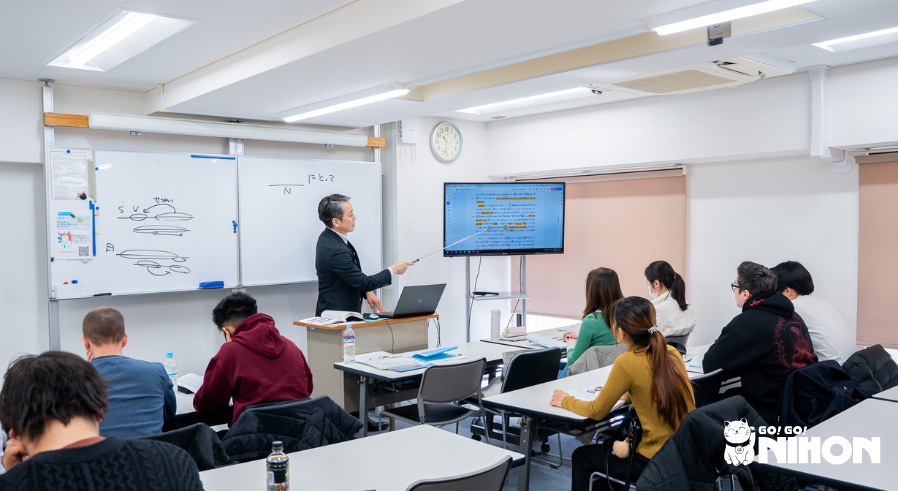
Is a student visa right for you?
A student visa is an excellent option if:
- You genuinely want to learn Japanese and improve significantly
- You’re prepared to attend class regularly, even when it’s inconvenient
- You want to experience life in Japan properly, with the stability that a long-term stay provides
- You’d like the option to work part-time and access public health insurance
- You’re thinking about a future in Japan — professionally or otherwise
It may not be the right option if:
- Your primary goal is travel, with studying as a secondary activity
- You’re not in a position to commit to consistent attendance
- You’re looking for flexibility to take weeks off whenever you choose
If that sounds more like your situation, there are other ways to experience Japan — a tourist visa allows stays of up to 90 days (depending on your nationality), and short-term study programs exist that are designed for casual or holiday-style learning. These won’t give you the same benefits as a student visa, but they’re a better fit for a travel-first approach.
The bottom line
A student visa unlocks a lot: the right to work, health insurance, residence, and a genuine path into Japanese life. But those benefits exist because the visa is tied to a real commitment: showing up, engaging with your studies, and meeting your school’s expectations.
The students who get the most out of their time in Japan are almost always the ones who treat their studies seriously. The language improves faster. The experience is richer. And the doors that open afterward — for work, for residency, for a life in Japan — are real.
If you’re ready to make that commitment, we’d love to help you get started.
Have questions about whether a student visa is right for you? Get in touch with our team — we’re happy to talk through your options and check out our blog to learn more about moving to Japan.