Skip to content

Planning a visit or preparing to move to Japan in 2026? The upcoming Year of the Horse is shaping up to be an unforgettable year. From major cultural openings to practical tips for navigating daily life, this guide covers everything you need to know before you arrive.
This guide will help you:
- Understand what makes 2026 an exciting year to visit or move to Japan.
- Learn what to pack and what’s hard to find once you arrive.
- Navigate essential administrative tasks in your first weeks.
- Master daily life etiquette and unwritten rules.
- Set realistic expectations for culture shock and language barriers.
- Prepare financially and administratively for life in Japan.
By the end, you’ll be ready to make 2026 your year in Japan!
Why 2026 is an exciting year to go to Japan
Japan is always evolving, but 2026 brings some genuinely exciting developments that make it a particularly special time to experience the country.
Major events and openings
PokéPark Kanto
PokéPark Kanto is set to open its doors in 2026, promising an immersive experience for Pokémon fans of all ages. This will be a massive draw for visitors and residents alike, offering a unique way to engage with one of Japan’s most beloved cultural exports.
Gundam Museum
The Gundam Museum is also opening in 2026, giving mecha enthusiasts and anime fans a dedicated space to explore the legacy of one of Japan’s most iconic franchises. If you’ve ever been fascinated by giant robots, this is going to be a must-visit.
The Museum of Narratives
The Museum of Narratives will add another cultural landmark to Japan’s already impressive collection of museums, offering fresh perspectives on storytelling and Japanese culture.
Why 2026 is a great year to start Japanese studies
If you’re considering studying Japanese, 2026 is the perfect time to begin. Starting your language journey now means you’ll arrive in Japan with foundational skills that make everything — from reading train signs to ordering food — significantly easier. The difference between navigating Japan with even basic Japanese versus none at all is night and day.
Before you go — essential planning
Understanding life in Japan
Let’s be honest: the first few weeks in Japan can feel overwhelming. You’ll spend a lot of time dealing with administrative tasks that might seem tedious but are absolutely essential.
First weeks = heavy admin
Expect to visit the ward office, set up utilities, register for your MyNumber card, and open a bank account. These aren’t optional — they’re the foundation of your life in Japan. Tasks include:
- Ward office registration (住民登録)
- Utilities setup (electricity, gas, water)
- MyNumber card application (マイナンバーカード)
- Bank account opening
- Health insurance enrollment
- Pension registration
Plan for multiple hours at government offices. Arrive early to minimize wait times.
Visa renewal basics
Visa renewal basics matter from day one. You’ll need to maintain proper health insurance, pay into the pension system, and understand how taxes work. These aren’t just bureaucratic checkboxes; they’re requirements that affect your ability to stay in Japan.
Requirements for visa renewal:
- Valid health insurance coverage (国民健康保険)
- Pension contributions (年金)
- Tax payment records (税金)
- Proof of address and employment/study
Location vs. commute cost
Location versus commute cost is a real consideration. Living closer to central Tokyo costs more, but living farther out means longer commutes and higher transportation expenses. Balance is key.
Housing location trade-offs:
- Central Tokyo: Higher rent, shorter commute, more convenience
- Suburban areas: Lower rent, longer commute, higher transportation costs
- Balance point: Calculate total costs including rent + transportation
Monthly transportation costs can range from ¥10,000 to ¥30,000+ depending on distance and routes. Commuter passes (定期券) on your IC card can reduce these costs significantly.
Trains don’t run 24 hours
This surprises many newcomers. Most train lines stop running around midnight or 1 AM, and they don’t restart until 5 or 6 AM. Plan your nights out accordingly, or budget for expensive taxi rides home.
Overcrowding & planning on weekends
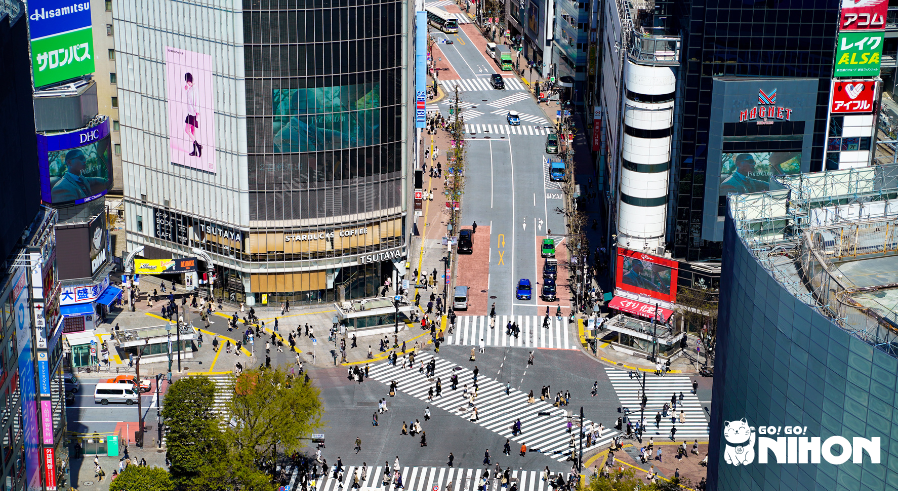
Popular areas like Shibuya, Harajuku, and major tourist spots can be genuinely overwhelming on weekends. If you value personal space, consider exploring on weekdays when possible.
Carrying ID at all times
In Japan, you’re legally required to carry identification at all times. Your residence card is your primary ID, and you may be asked to show it by police or other authorities. If you are visiting as a tourist, you are legally required to have your passport on you at all times.
Setting expectations
Culture shock is normal
Even if you’ve visited Japan before, living here is different. The initial excitement eventually gives way to frustration with things that don’t work the way you’re used to. This is part of the process, and it doesn’t mean you’ve made a mistake.
Common culture shock phases:
- Honeymoon phase: Initial excitement (one to two weeks)
- Frustration phase: Adjustment difficulties (one to three months)
- Adjustment phase: Growing comfort (three to six months)
- Adaptation phase: Full integration (six or more months)
Language barriers & basic Japanese phrases
While major cities have more English speakers, many everyday situations require at least basic Japanese. Learning phrases will serve you well:
- すみません (Sumimasen) — Excuse me/Sorry
- ありがとうございます (Arigato gozaimasu) — Thank you
- わかりません (Wakarimasen) — I don’t understand
- 英語を話せますか (Eigo o hanasemasu ka) — Do you speak English?
- トイレはどこですか (Toire wa doko desu ka) — Where is the bathroom?
- これをください (Kore o kudasai) — I’ll take this
- いくらですか (Ikura desu ka) — How much is this?
What people commonly struggle with
Common struggles include feeling isolated, navigating bureaucracy without language skills, missing familiar foods, and adjusting to different communication styles. Knowing these challenges exist doesn’t eliminate them, but it helps you recognize them as shared experiences rather than personal failures.
Frequently reported challenges:
- Social isolation and loneliness
- Navigating bureaucracy without language skills
- Missing familiar foods and products
- Different communication styles (indirect communication)
- High cost of living
- Small living spaces
- Work culture differences
- Separation from family and friends
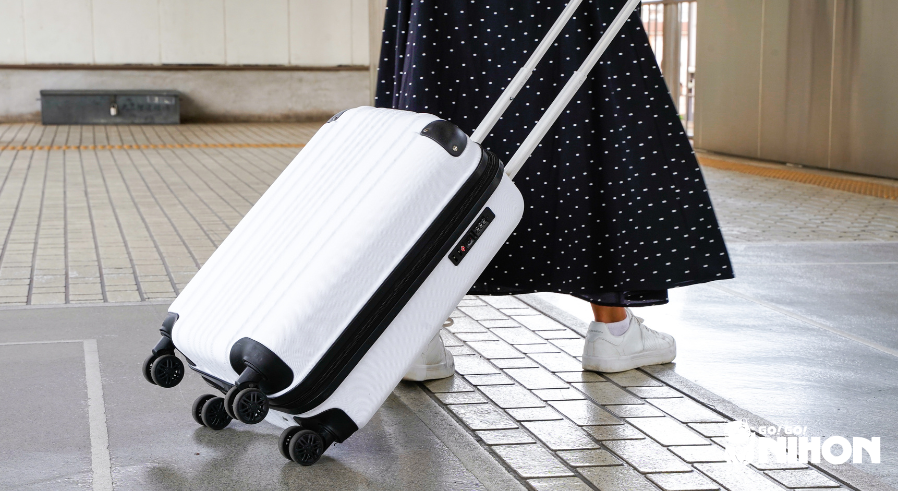
What to pack for Japan in 2026
Hard-to-find or expensive items
Some items are surprisingly difficult to find in Japan, or they’re available but much more expensive than you’re used to.
| Item | Issue | Solution |
| Deodorant | Japanese products are milder | Bring 6-12 months supply |
| Dental floss | Limited selection, higher prices | Pack several containers |
| Stronger medication | Lower active ingredient concentrations | Bring prescription and OTC from home |
| Toothpaste with fluoride | Not standard in Japan | Bring if preferred |
| Larger shoe sizes | Hard to find above US men’s 10 or women’s 9 | Bring multiple pairs |
Daily essentials
Comfortable walking shoes
You’ll walk more than you think — often several kilometers a day just getting around. Daily walking distances in Japan average 6,000-10,000+ steps. Bring multiple pairs of well-broken-in, supportive walking shoes.
All-season clothing
Japan experiences distinct seasons. You’ll need both winter layers and summer breathable fabrics.
Japan’s seasonal temperatures:
- Summer (June-August): 25-35°C (77-95°F), high humidity
- Autumn (September-November): 15-25°C (59-77°F)
- Winter (December-February): 0-10°C (32-50°F)
- Spring (March-May): 10-20°C (50-68°F)
Coin purse
Japan still runs on cash for many transactions, and you’ll accumulate coins quickly. Japanese coins include ¥1, ¥5, ¥10, ¥50, ¥100, and ¥500.
Snacks/comfort foods
Snacks and comfort foods from home can be lifesavers during the adjustment period. That familiar taste can provide real comfort when you’re feeling homesick.
Starter emergency kit
Japan experiences natural disasters including earthquakes, typhoons, and heavy flooding. Having a basic emergency kit prepared is essential, especially in your first weeks before you’re familiar with local resources.
Recommended emergency kit contents:
- Water: two to three liters per person
- Non-perishable food: Energy bars, instant noodles, canned goods (three-day supply)
- Flashlight and extra batteries: Power outages are common during disasters
- First aid supplies: Bandages, antiseptic, any prescription medications
- Important documents: Copies of passport, residence card, insurance information
- Cash: ATMs may not work during emergencies
- Portable phone charger: Stay connected during outages
- Emergency blanket: Compact thermal blankets for warmth
- Whistle: To signal for help if trapped
Many convenience stores and home centers like Hands or Loft sell pre-assembled emergency kits, but building your own ensures you have exactly what you need. Store your kit in an accessible location and check expiration dates on food and batteries every six months.
Digital prep
Download apps before arriving
Setting apps up after you arrive can trigger two-factor authentication issues if your home country phone number stops working.
Essential apps to download pre-departure:
- Navigation: Google Maps, Japan Transit Planner
- Messaging: LINE (primary communication app in Japan), WhatsApp
- Translation: Google Translate (with offline Japanese language pack)
- Banking: Home country banking apps
- Payment: PayPay, transportation IC card apps
Luggage forwarding timeline
Japan’s takkyubin service is incredibly efficient, but it still takes a day or two. Don’t plan to send your luggage ahead the same day you need it. Delivery time is typically one to two days within Japan, costing ¥1,500-¥3,000 depending on size and distance.
Setting up international banking
Having access to money from home while you’re setting up Japanese bank accounts is crucial. Before departure, notify banks of travel dates, enable international transactions, and set up online banking access.
Updating payment apps after visa renewals
Many apps require current visa information, so be prepared to re-verify after your status changes. Affected services include banking apps, payment apps, and some government services.

What are some tips for living in Japan?
Transportation etiquette
Escalator rules (regional differences)
In Tokyo, stand on the left. In Osaka, stand on the right. Watch what locals do and follow their lead.
Regional variations:
- Tokyo/Kanto region: Stand on the LEFT, walk on the right
- Osaka/Kansai region: Stand on the RIGHT, walk on the left
Priority seats
Priority seats (優先席) are taken seriously. They’re designated for elderly people, pregnant women, people with disabilities, and those with small children. Even if the train is crowded, many people avoid sitting there.
Quiet trains
Phone calls are frowned upon, and even conversations should be kept to a low volume. This is one cultural norm that’s strictly observed. Expected behavior includes keeping your phone on silent mode and headphone volume low.
Backpacks in front
Keep your backpack in front during crowded times. This prevents you from accidentally hitting people and shows awareness of shared space.
Taxis (colors, efficiency)
Red license plates mean they’re full-time taxis. Not all cars can legally pick up fares, so look for official taxis at designated stands. Taxis operate 24/7 in major cities, are clean and professional, but expensive — base fare starts around ¥500-¥600.
Unlike many other countries, in Japan, taxis that display red are unoccupied and taxis that display green are occupied.
Don’t sit on station steps or floors
This is considered blocking foot traffic and generally poor manners. Use designated seating areas in stations instead.
Daily manners & culture
Chopsticks upright = taboo
Chopsticks standing upright in rice resembles funeral rituals and is a significant taboo. Never do this. Rest chopsticks on a chopstick rest or across your bowl instead.
Noren
Noren (fabric dividers at restaurant entrances) signal whether a place is open. If the noren is up, they’re open for business.
Mask etiquette (especially hay fever season)
Mask etiquette remains important, especially during hay fever season or if you’re feeling unwell. Many people continue wearing masks as a courtesy. Common mask-wearing situations include when feeling unwell, during hay fever season, and in crowded places.
Carrying trash
Public trash cans are rare in Japan. You’re expected to take your garbage home or dispose of it at the place where you purchased it. This system exists to maintain public cleanliness.
Tattoos & public baths
Many onsen, sentō, and gyms ban visible tattoos. Some places offer cover-up patches, but check policies beforehand. Websites like tattoo-friendly.jp list accepting venues.
Shopping & daily life
Convenience store vs supermarket
Convenience stores (コンビニ) like 7-Eleven, FamilyMart, and Lawson are open 24/7 with ready-made meals but cost more. Supermarkets like Ito Yokado, Aeon, Summit, and Life have better prices but limited hours (typically 10:00 AM – 10:00 PM). Evening discounts of 20-50% off on perishables after 7:00 PM make supermarkets especially appealing.
Where to buy furnishings
| Store | Description | Price Range |
| Nitori | Japan’s equivalent to IKEA | Budget to mid-range |
| Konan | Home improvement and hardware | Budget-friendly |
| Aeon | Large department store chain | Mid-range |
| Amazon Japan | Fast shipping, extensive selection | Varies |
Where to get international foods
International foods can be found at specialty stores like Kaldi, National Azabu, or Seijo Ishii, though they’re pricier than Japanese alternatives. Expect to pay two to three times more than in home countries.
Specialty stores for international foods:
- Kaldi Coffee Farm: Coffee, imported snacks, international ingredients
- National Azabu: High-end international supermarket (Tokyo)
- Seijo Ishii: Imported foods, wines, specialty items
- Costco Japan: Bulk international products (membership required)
- Yamaya: International alcohol and some food items
Storage lockers
Storage lockers (コインロッカー) are everywhere at train stations. Use them liberally instead of carrying everything around. Sizes range from small to large (¥300-¥600+ per day), accepting coins or IC cards.
Bathrooms everywhere
You’re never far from a well-maintained public restroom. This is one of Japan’s best features — bathrooms are clean, free to use, and available in stations, convenience stores, parks, and shopping areas.
Expect to walk a lot
Even with excellent public transportation, you’ll cover significant distances on foot every day. This is just how Japanese cities work. Station transfers often involve significant walking, and many destinations require walking from the nearest station.
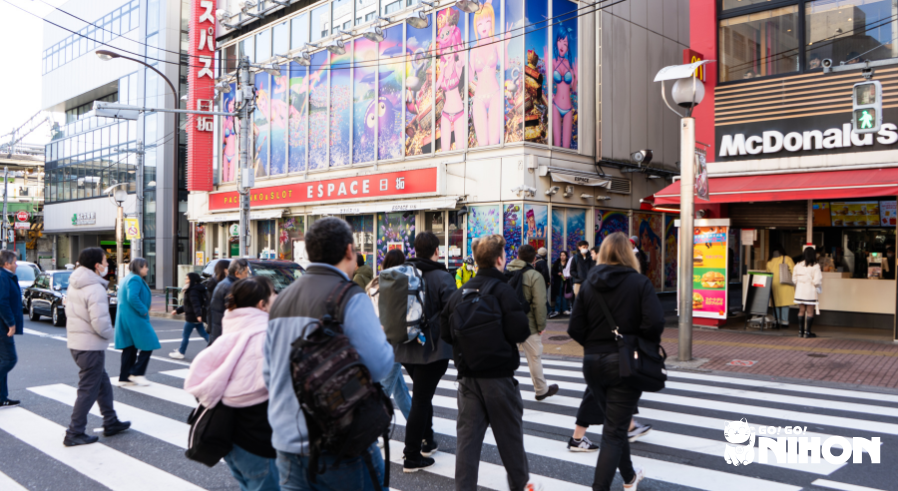
Financial & administrative essentials
One-month pay delay for jobs
Jobs (both full-time and part-time) typically delay your first paycheck by one month. Work done in April is paid at the end of May. Budget accordingly — you’ll need savings to cover your first month of expenses. Ensure you have one to two months of living expenses saved before starting work.
How pension, health insurance, taxes work
Health insurance (健康保険, Kenko Hoken)
Types:
- Company Insurance (社会保険): If employed full-time
- National Health Insurance (国民健康保険): If self-employed, part-time, or student
Coverage covers 70% of medical costs; you pay 30%. Monthly cost varies based on income (¥3,000-¥10,000+ per month for students/low earners).
Pension (年金, Nenkin)
National Pension (国民年金) is mandatory for all residents aged 20-60. Monthly cost is ¥16,520 (as of 2023, amount adjusts annually) for future retirement benefits. Students can apply for payment deferrals.
Taxes (税金, Zeikin)
Residence Tax (住民税) is based on previous year’s income at approximately 10% of income, billed the following year. Income Tax (所得税) is withheld from salary with progressive rates of 5%-45% based on income brackets.
Updating bank/pay services after visa renewal
You’ll need to update bank and pay services after visa renewal. Required updates include bank account information, payment apps (PayPay, LINE Pay), mobile phone contracts, and health insurance records. Update information within fourteen days of visa renewal.
Why cash is still important
While card payments are becoming more common, many smaller restaurants, shops, and services remain cash-only. Always carry ¥5,000-¥10,000 cash for daily use.
Cash-only establishments include:
- Many small restaurants
- Traditional shops
- Some taxis
- Local markets
Withdrawing cash at ATMs
Not all ATMs accept foreign cards. 7-Eleven, FamilyMart, and post office ATMs are your most reliable options.
Foreign card-friendly ATMs:
- 7-Eleven ATMs: Most reliable for international cards (24/7)
- FamilyMart ATMs: Accept most international cards (24/7)
- Japan Post Bank ATMs: Widely available, accept international cards
- SMBC Prestia ATMs: International friendly
International withdrawal fees vary (¥100-¥300 plus your bank’s fees).
Credit card limitations for trains
While IC cards like Suica and Pasmo work everywhere, not all train ticket machines accept international credit cards for purchases. Get an IC card immediately for seamless travel.
Tips for visitors in 2026
If you’re visiting rather than moving, these tips will help you navigate Japan smoothly.
Tokyo crowds & weekend planning
Tokyo crowds peak on weekends and holidays. Plan major sightseeing for weekdays when possible, or embrace the crowds as part of the experience.
No 24-hour trains
Your last train leaves around midnight. Miss it, and you’re either waiting several hours or taking an expensive taxi.
Paying for transport
Get a Suica or Pasmo card immediately — it works on almost all trains, buses, and even at vending machines and convenience stores. Using an IC card makes transfers between JR, private rail, and metro lines seamless.
Restaurant reservations
Restaurant reservations are increasingly necessary, especially for popular places. Don’t assume you can walk in, particularly for dinner.
Peak seasons & major events
Peak seasons and major events in 2026 will draw extra crowds. Plan accommodations and tickets well in advance if you’re visiting during the PokéPark opening or other major events.
Peak travel periods to note:
- Golden Week (late April-early May)
- Obon (mid-August)
- New Year holidays (late December-early January)
- Cherry blossom season (March-April)
Moving to Japan in 2026 – first week expectations
What does the first week look like?
Your first week is less about exploring and more about establishing yourself legally and practically.
Ward office procedures
You’ll register your address, apply for your MyNumber card, and complete residence documentation. This can take several hours, so go early.
Utilities setup
Utilities setup includes electricity, gas, water, and internet. Some can be done online, but others require phone calls, which can be challenging if your Japanese is limited.
MyNumber registration
MyNumber registration is mandatory for accessing government services, healthcare, and eventually employment.
Bank setup
Bank setup requires your residence card and proof of address. Some banks are more foreigner-friendly than others — research beforehand.
Understanding taxes & work rules
Your employer should explain this, but don’t hesitate to ask questions. Understanding these basics prevents issues later.
Finding specialized medical services
Finding specialized medical services like English-speaking doctors or specific specialists takes research. Do this early rather than in an emergency.
Getting bedding & essentials quickly
Nitori, Amazon, or even Don Quijote can provide immediate solutions for bedding and household essentials.
Homesickness and validating emotional adjustment
Homesickness is real and valid. The first few weeks can feel isolating, especially when you’re exhausted from admin tasks and adjusting to new surroundings. This emotional adjustment is part of the process.
Allergy cards or learning allergy vocabulary
If you have dietary restrictions, allergy cards or learning allergy vocabulary matters. Japanese food culture doesn’t always accommodate allergies the way Western countries do, so communication is essential.
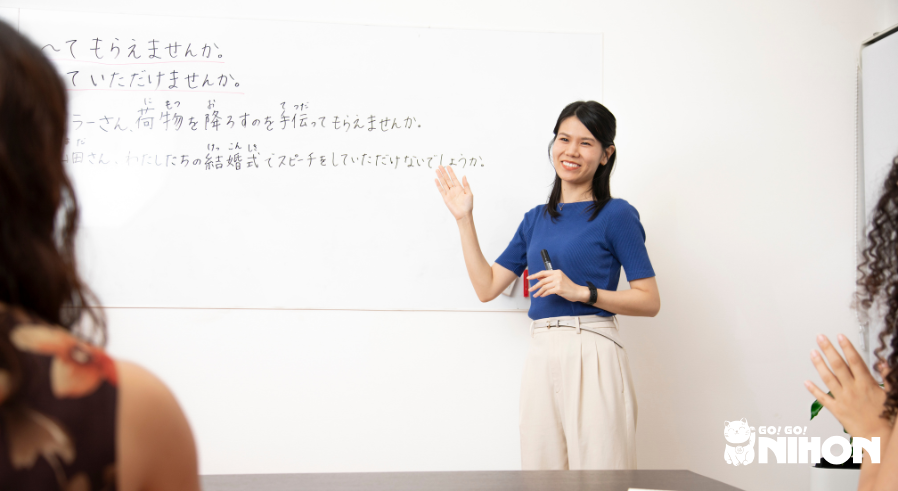
Learn Japanese before you arrive
Starting your Japanese studies before you arrive makes your first months exponentially easier. Even basic conversational skills transform your daily experience — from asking for help to reading menus to understanding announcements.
Why studying Japanese makes your first months easier
Language skills impact your ability to:
- Navigate daily life (reading signs, ordering food, asking directions)
- Integrate into Japanese society more quickly
- Handle administrative tasks with less stress
- Make friends and build connections
- Access services and solve problems independently
How can we help?
Go! Go! Nihon helps with more than just language. We provide visa support, match you with appropriate schools based on your goals, and offer housing guidance so you’re not scrambling to find accommodation after you arrive. Contact us to learn more.
Basic phrases to learn before arrival
Focus on practical survival Japanese first:
- Greetings (good morning, good evening, hello, goodbye)
- Numbers and counting
- Basic questions (where, when, how much, what)
- Emergency phrases (help, I need a doctor, police)
- Polite expressions (please, thank you, excuse me, sorry)
Then build from there with more complex grammar and vocabulary.
What awaits me in Japan in 2026?
Japan in 2026 offers incredible opportunities for visitors and residents alike. Whether you’re coming for the PokéPark, diving into Japanese language study, or starting a new chapter of your life, preparation makes all the difference. The administrative hurdles are real, the cultural adjustments take time, but the experience of living in Japan — navigating its train systems, discovering neighborhood gems, and gradually becoming part of its rhythm — is genuinely rewarding.
Start preparing now, and you’ll arrive ready to make the most of everything Japan has to offer.
For more tips on travel and life in Japan, make sure to check out our blog.