Skip to content

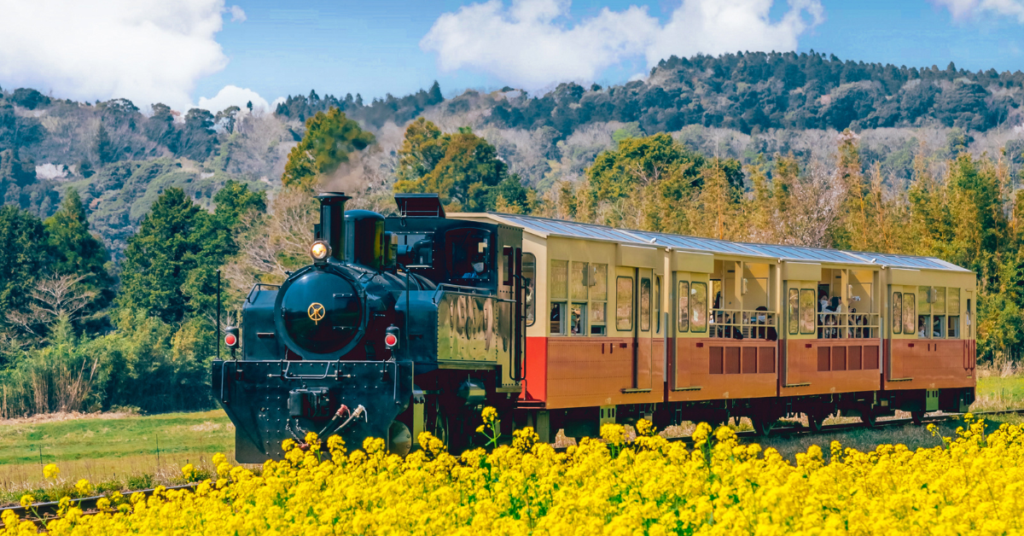
Chiba prefecture, just a short train ride from central Tokyo, offers a relaxed escape blending coastal charm with easy city access. Known for its spacious parks, beaches, and quieter pace, Chiba provides the perfect balance of urban convenience and laid-back living. The area is home to a number of universities and schools, making it a lively, student-friendly community. If you want to study Japanese, attend university, or explore Japan, Chiba is an ideal base that combines the excitement of Tokyo with a calm, residential atmosphere.
Why study in Chiba?
- Close to Tokyo: Just 30–40 minutes by train to central Tokyo.
- Affordable living: Rent and daily costs are generally lower than in Tokyo.
- Student-friendly environment: With a variety of universities and schools, the city has a lively, welcoming community for students.
- Balanced lifestyle: Chiba offers a calm residential atmosphere while keeping bustling Tokyo within easy reach.
- International community: Growing number of international students and foreign residents.

Top attractions in Chiba
- Tokyo Disneyland and DisneySea: Perfect for day trips and weekend fun, and easy to reach from anywhere in the prefecture.
- Chiba Port Tower: Panoramic views of the city and Tokyo Bay, great for getting your bearings when you first arrive.
- Makuhari Messe: Japan’s leading convention center, hosting exhibitions, gaming expos, concerts, and events year-round.
- Inage Seaside Park: A favorite spot for cycling, picnics, and cherry blossom viewing in spring.
- Chiba Shrine: A historical landmark to experience Japanese traditions and local culture.
Student life in Chiba
Chiba has an exciting and lively student scene. Between its universities, language schools, and a community full of people in the same boat as you, it’s easy to settle in and find your feet quickly.
- Study cafes & libraries: The city has plenty of quiet spots to get work done, like well-stocked public libraries and cozy study cafes where you can stay for hours over a coffee. These are great for solo study sessions or meeting up with classmates for group projects.
- Events & festivals: The highlight of the summer calendar is the Chiba Matsuri, a traditional festival that takes over the city with food stalls, performances, and a real sense of community. It’s a great way to experience local culture and meet people outside of school.
- Sports & recreation: When you need a break, Chiba delivers. The coastline is close for swimming and beach days, there are hiking trails within reach for weekends outdoors, and gyms are easy to find throughout the city.
Transportation
Getting around Chiba is straightforward, and you’ll have several options depending on where you’re headed. Most students figure out their routine within the first week.
- Trains: The JR Sobu Line, Keiyo Line, and Chiba Urban Monorail are your main connections, linking the city to Tokyo and the wider region. Trains are frequent, reliable, and the fastest way to get around for most journeys.
- Buses: Local buses fill in the gaps that the train network doesn’t cover, reaching residential areas and smaller neighborhoods across the prefecture. They’re very useful to know and easy to use once you’re settled and comfortable giving them a try.
- Biking: A lot of students swear by cycling for day-to-day getting around. The city is flat, the roads are safe, and a bike makes short trips much faster than waiting for public transport. Many students pick up a second-hand bike cheaply when they arrive. Just be aware of the bicycle laws before you cycle.
Food and dining
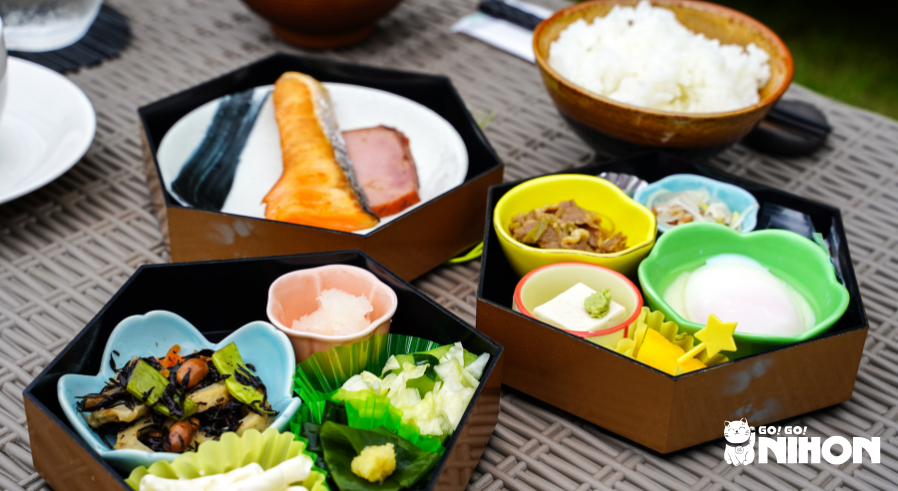
You won’t go hungry in Chiba, and you won’t need to spend much to eat well. The food scene mixes local specialities with everyday staples and a growing range of international options.
- Local specialties: Chiba has its own food culture worth exploring. Namerō is a must-try — a flavorful minced fish dish traditional to the region — and the fresh seafood from Tokyo Bay is some of the best you’ll find anywhere. Head to a local fish market or a traditional restaurant to do it properly.
- Restaurants & cafes: Budget-friendly options are everywhere. Ramen shops, teishoku lunch sets, izakayas, and cafes line most of the main streets, and you can eat a solid meal for very little.
- International options: The international food scene in Chiba has grown a lot in recent years. You’ll find a decent variety of Western and Asian restaurants if you’re after something familiar, which makes a real difference during long study periods when you just want a taste of home.
Tips for living in Chiba
Settling into life in a new country takes a little time, but a few small things can make the transition a lot smoother. These are worth keeping in mind from day one.
- Learn basic Japanese phrases — you don’t need to be fluent to make a good impression. Knowing how to greet people, ask for directions, and say thank you will make daily interactions much easier and is genuinely appreciated by locals.
- Use a Suica or PASMO IC card for public transport. These rechargeable IC cards work on trains, buses, and even at convenience stores, so you only need to tap and go. While most people now use digital ones, you can also pick up a physical one at major JR stations.
- Take advantage of weekend trips to Tokyo or the nearby beaches. Living in Chiba puts both within easy reach — Tokyo for culture, food, and nightlife, and the coast for something more relaxed.
- Explore local markets for affordable groceries and fresh produce. Supermarkets are well-priced in Chiba, but local morning markets and neighborhood shops often have better deals and a much better atmosphere. It’s also a great way to get comfortable navigating everyday life in Japanese.
Come explore
If you like beaches, a chiller lifestyle, close proximity to Disney, and affordability, then Chiba is for you. The convenience of the city is within reach, as is a quieter and slower way of life. The student community is welcoming, the food is great, and the coastline is never far away.
To learn more about moving to Japan and your options for studying in Chiba, please contact us and don’t forget to check out our blog.