Skip to content


Updated January 2026
It may be harder to eat gluten free in Japan than in other countries, but it is not impossible. As compared to Western countries, East Asians, including the Japanese, are less prone to gluten intolerance, contributing to the general lack of awareness about gluten in Japan. Many Japanese dishes contain soy sauce and / or miso and most of them contain gluten. Wheat is very common in Japanese cooking, so prepare before you come to Japan. Read this guide to learn how to eat gluten free in Japan.
Gluten free restaurants in Japan
Restaurants in Japan take allergies seriously, even if they are unfamiliar with gluten intolerance. You should note, however, that in Japan it is not common to modify food in the restaurant and some will not accommodate your requests. Your best option for eating gluten free in Japan is if you call or ask before you go in to see if there is something you can eat or if the restaurant can make modifications to your food.
You can also carry a note with you explaining your situation in Japanese and what you can not eat so you can show it in the restaurant and see if they can accommodate your dietary needs. If you are learning Japanese, try to learn the words you need to know to avoid getting sick.
You should be on the lookout for:
- 小麦, 小麦 粉 Komugi is wheat, komugiko is wheat flour.
- 麦 Mugi is barley, usually in mugicha, barley tea. Or rye, called rye-mugi (ライ麦).
- 醤 油 Shoyu, or soy sauce, is found in most Japanese foods.
- 味噌 Miso is also commonly used in Japanese cuisine.
- 水 飴 Mizuame, or malt syrup, contained in many sweets, often also barley malt syrup.
- 麩 質, グ ル テ ン Fushitsu is the Japanese word for gluten, sometimes it is written in katakana.
There are few gluten-free restaurants in Japan. You may be able to research before you get to Japan, but do not expect many as you walk through the cities. It is also rare to find labels for gluten-free dishes on the menu.
What to avoid
- Noodles like ramen, udon, and soba, which are not 100% made of buckwheat flour
- Tempura, tonkatsu, and other breaded and fried dishes
- Okonomiyaki and takoyaki, pancakes and others with wheat flour
- Mugicha, or barley tea
- Miso soup and other miso products
- Yakitori with sauce
- Everything with soy sauce

Where you can eat gluten free in Japan
- Sushi restaurants: Sushi rice is usually cooked without flour, but ask the restaurants as there are some that use wheat in the sushi rice. You should be able to eat sashimi. Stay away from anything with sauce, like eel. Bring your own gluten-free soy sauce.
- Tofu restaurants: Tofu is gluten-free, although dishes are often served with soy sauce. Restaurants like Tokyo Shiba Ukaitei restaurants can accommodate with gluten-free dishes. Always call ahead to make sure what the restaurants can and cannot do.
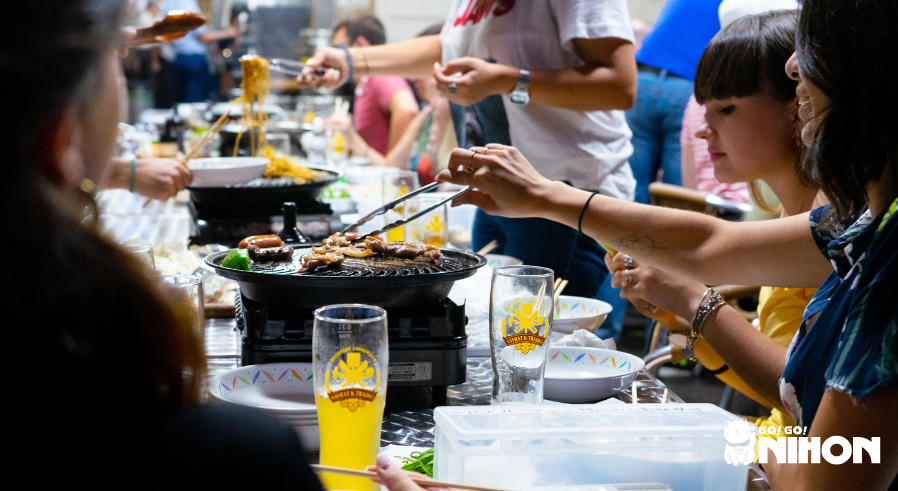
- Yakiniku and teppanyaki: If you avoid marinated meat and sauces, these are great places to eat grilled meats, seafood, and vegetables. You can ask in advance if you can bring your own sauce, but also with salt or a combination of salt and lemon juice, it still tastes wonderful.
- Indian restaurants: Unlike Japanese curries, no flour is used for the Indian versions. You will not be able to eat the naan bread, but curries are great with rice.
- Thai restaurants: Many Thai dishes are gluten free or can simply be made gluten free. Note that in Japan, many dishes are adapted to the Japanese taste and may contain soy sauce, etc.
- Konbini: One of the best things about eating in Japan is the abundance of food in konbini. Look for onigiri or rice balls made without soy sauce. Look at the list of ingredients if you are not sure. Salad is usually served without dressing, so you can use your own gluten-free dressing. Boiled eggs are a good snack, but be careful because the pickled eggs can often contain soy sauce. Usually there are also bananas and other fruits or yogurt that you can eat.
- Department store basements: In the basement of many department stores in Japan you will find meticulously prepared Japanese dishes and bentos. There you will find traditional Japanese sweets, such as mochi and daifuku, which are gluten-free because they are made from rice and red bean paste. There is usually a wide variety of foods, so just ask if there is something gluten free.
Useful apps and online resources
Restaurant finder apps
HappyCow
While best known as a vegan and vegetarian restaurant finder, HappyCow is also one of the most reliable tools in Japan for locating gluten-free and allergy-friendly restaurants. Many listings include notes on gluten-free options, cross-contamination, and staff awareness, particularly in larger cities such as Tokyo, Osaka, and Kyoto.
Find Me Gluten Free
Find Me Gluten Free is a popular app within the global celiac and gluten-free community. Users can search nearby restaurants, read recent reviews, and see safety ratings based on other diners’ experiences. Coverage in Japan continues to grow, especially in major urban areas.
Sansglu
A newer gluten-free–focused app that highlights verified gluten-free and gluten-free-friendly restaurants worldwide. Listings include safety scores and community feedback, which can be helpful when eating out in unfamiliar areas.
Japan-specific gluten-free directories
Gluten-Free Japan
A dedicated website listing gluten-free and allergy-friendly restaurants across Japan, with a strong focus on Tokyo. Many listings include clear notes about ingredients and whether meals are fully gluten-free or just gluten-free options.
Gluten-Free MAP
A simple, map-based directory of gluten-free-friendly restaurants around Japan. While not as detailed as some apps, it’s useful for quick searches when planning trips between cities.
Translation and communication tools
Gluten-free translation cards
Carrying a gluten-free explanation card in Japanese can make a big difference, especially at smaller restaurants. These cards explain what gluten is and what ingredients should be avoided, helping reduce misunderstandings. Printable cards and app-based versions are widely available online.
Delivery and everyday food searches
Uber Eats Japan
In larger cities, Uber Eats Japan can be useful for finding gluten-free or gluten-free-friendly options by searching keywords or checking menu descriptions. Always review ingredient details carefully before ordering.
Community tips and social resources
Online communities are often the most up-to-date source of information. Facebook groups and travel forums focused on gluten-free living in Japan regularly share new restaurant openings, supermarket finds, and Google Maps lists created by other gluten-free diners.
It’s not easy to eat gluten free in Japan, but as long as you prepare, it should not be a problem. Bring or buy your own gluten free soy sauce, so you can enjoy more Japanese food.
If you are looking for more tips about life in Japan, keep following our Go! Go! Nihon blog.