Skip to content

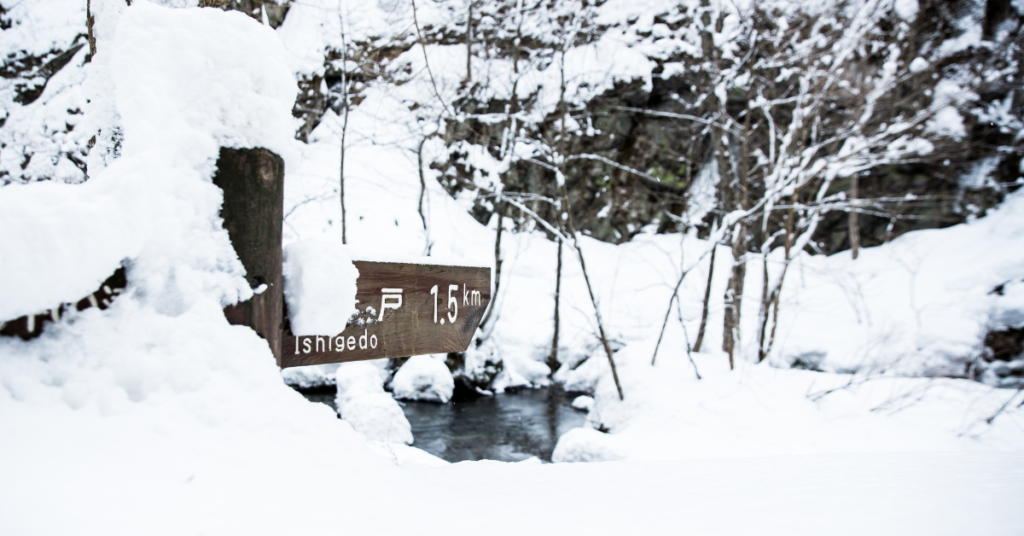
Winter in Japan is beautiful — crisp air, blue skies, and snowy landscapes in the north. But let’s be honest: it can also be freezing and dry, no matter where you live. And if you’re new to Japan, you might be surprised to discover that the chill doesn’t stay outside. In fact, many people find that Japanese homes feel colder indoors than out — and that is because they usually are.
The combination of traditional building styles, lack of insulation, single-paned windows, and high utility costs means that staying warm in Japan takes a lot of strategy. The good news? Staying warm is absolutely possible, but only with the right tools and habits.
Why Japanese homes can feel extra cold
If you’ve ever wondered why your apartment seems to trap cold air instead of heat, here’s the quick breakdown:
- Single-pane windows are still common, especially in older buildings, and they lose heat quickly.
- Poor insulation means walls don’t retain warmth very well.
- Electricity and utility costs can add up, so heating the entire home isn’t always practical.
For students and newcomers, this creates a unique winter challenge. Staying warm in Japan isn’t just about the temperature — it’s about heating smart.
Essential heating appliances (safe options only)
Here are the heating options you’ll see most often, and how to use them effectively and safely.
Air conditioner (エアコン / AC)
Most Japanese AC units function as both coolers and heaters. They warm a room by circulating heated air, and when used correctly, they’re efficient and reliable.
Tips for efficient heating:
- Set your AC to 20–22°C for comfort without overspending.
- Use the timer function so it turns off once you’re asleep or out of the house.
- Close doors to keep heat concentrated in the room you’re using.
Kotatsu
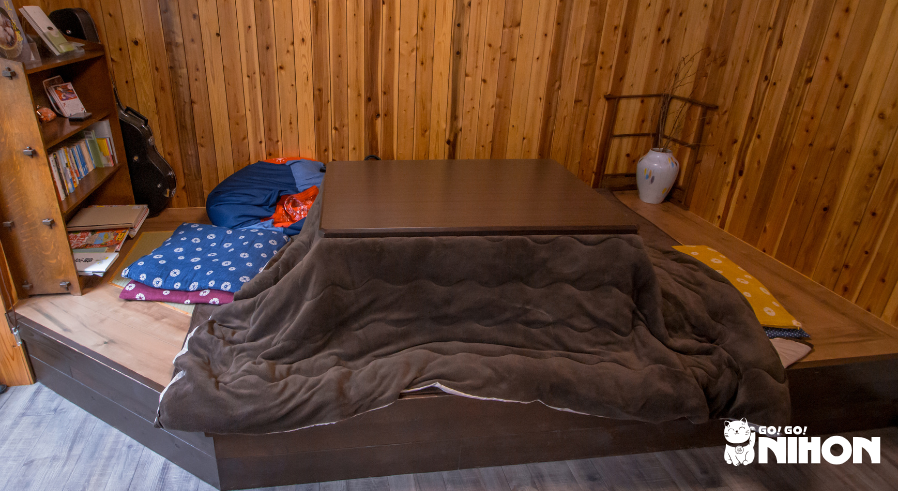
A kotatsu is a low table with an electric heater attached underneath and a thick blanket to trap warmth. It’s a winter staple across Japan and a fan favorite of many people who have survived past winters here.
Why it’s great:
- Extremely energy-efficient.
- Perfect for studying, relaxing, or watching TV.
Safety tip: Don’t fall asleep under it for long periods, and keep the area tidy to avoid overheating.
Electric carpets & heated blankets
These gentle heating options warm surfaces rather than the air around you.
- Electric carpets heat the floor under your feet.
- Heated blankets warm your body directly.
Both are excellent for cutting down heating costs.
Use them safely by:
- Following manufacturer instructions.
- Avoiding folding when in use.
- Turning them off before sleeping.
Portable electric heaters
If you live in a small space or want extra warmth in a specific corner, these are useful.
Common types:
- Ceramic heaters
- Fan heaters
- Oil-filled radiators
Tips for safe use:
- Keep heaters away from curtains, bedding, or clothing.
- Choose models with auto-off and tip-over protection.
- Never leave them running unattended.
Important note: Avoid kerosene heaters
Kerosene heaters (石油ストーブ) are still popular in many Japanese households, but we do not recommend them. They require proper ventilation, can create fire hazards, and carry a risk of carbon monoxide buildup.
Stick to electric heating options instead.
Tips to make your home warmer (even without insulation)
Even if your apartment isn’t built for winter, you can make big improvements with small, inexpensive items:
- Weather stripping for doors and windows to reduce drafts.
- Thermal curtains to keep warm air inside.
- Window film to add an extra layer of insulation.
- Draft stoppers for doors.
- Rugs or carpets to reduce heat loss through cold floors.
- Close unused rooms to concentrate warmth where you need it.
- Humidifiers — humid air feels warmer and helps prevent dry skin, sore throats, and static.
Where to buy affordably:
Try Daiso, Don Quijote, Nitori, or Amazon Japan. Second-hand stores like Hard Off and recycle shops can also be great for appliances.
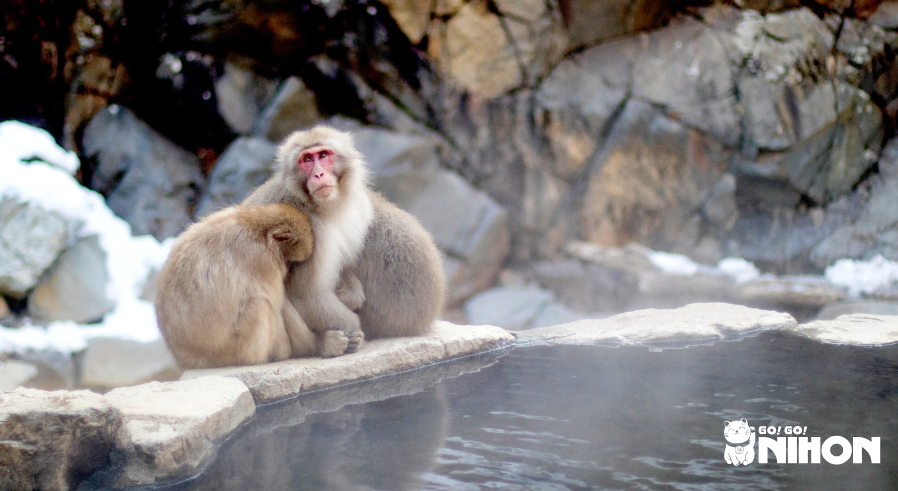
Stay warm the Japanese way
Japan has plenty of cultural winter comforts — enjoy them!
- Hot baths before bed: Warm your body deeply so you fall asleep comfortably.
- Onsen or sentō visits: Relax, stay warm, and enjoy a uniquely Japanese experience.
- Nabe, oden, ramen: Hot, hearty meals that warm you from the inside.
- Kairo warmers: Both stick-on (貼る) and non-sticky types are available.
- Hot drinks from vending machines: You’ll find warm tea, coffee, and even corn soup everywhere.
Outdoor tips for staying warm
Japan’s winters can be very dry and windy, especially in Kanto, while other areas are more snowy and wet. Wherever you are:
- Use layering: heat-tech base layers → sweaters → coats.
- Wear warm accessories like scarves, gloves, and ear warmers.
- For snowy regions, choose waterproof shoes or boots to keep your feet warm and dry.
Winter safety tips
A warm home is great — a safe home is essential.
- Don’t block vents or airflows for heaters or AC units.
- Avoid overloading extension cords.
- Turn off heating devices before leaving the house.
- Manage condensation and mold by ventilating occasionally, even in winter.
- Stay hydrated — heating dries the air, and you still need water even when it’s cold.
Ready to stay warm in Japan?
Japanese homes may not be the warmest in winter, but with the right combination of heating tools, simple home improvements, and cozy habits, you can stay comfortable all season long. If you’re here long-term, consider investing in a few reliable items — your future winter self will thank you.
To learn more about living in Japan, make sure to check out our blog.