Skip to content


If you’ve ever celebrated Valentine’s Day in Japan, you already know that it’s a bit different from what you might be used to back home. For starters, February 14th is all about women giving chocolate to men — in typical Japanese fashion, there is a set of gendered rules that one must follow when giving out chocolates, unlike the Valentine’s we know in the West. Japanese Valentine’s Day has also evolved into a full-blown chocolate extravaganza, complete with artistic handmade creations, luxury brand collaborations, and enough sweet treats to make any chocoholic’s heart skip a beat.
The tradition breaks down into three main categories: honmei choco (本命チョコ) — the “real deal” chocolate you give to someone you’re romantically interested in, giri choco (義理チョコ) — obligation chocolate for coworkers and male friends, and tomo choco (友チョコ) — friendship chocolate exchanged between female friends. Each type comes with its own price point, presentation style, and level of effort involved.
This year, whether you’re planning to confess your feelings, fulfill social obligations, or just treat yourself (because why not?), we’re diving into the wonderful world of Japanese Valentine’s chocolate.
The deco chocolate trend: Instagram-worthy sweetness
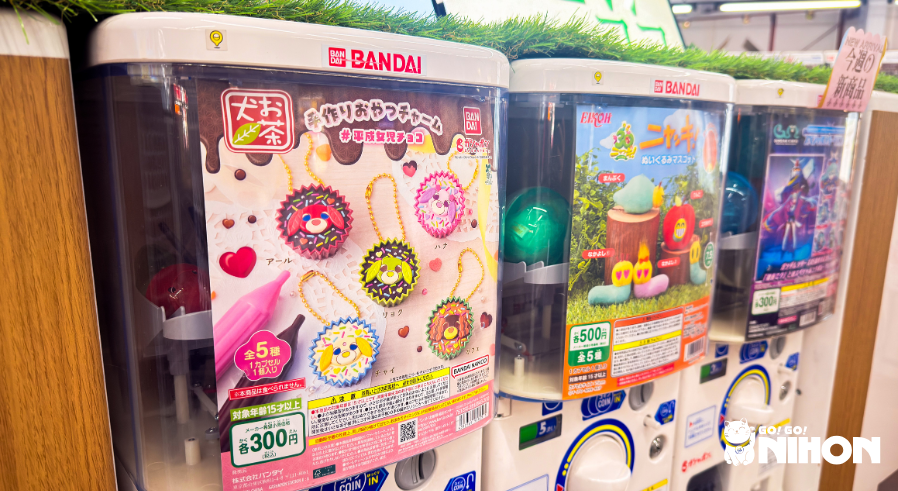
Deco choco (デコチョコ), short for “decoration chocolate,” has taken Japanese Valentine’s Day by storm over the past few years. These aren’t your average chocolate bars — we’re talking fully customized, hand-decorated chocolate creations that double as edible art.
The trend combines Japan’s love for kawaii culture with the traditional gift-giving aspect of Valentine’s Day. Think chocolate bars adorned with cute character faces, personalized messages written in colorful icing, elaborate designs using transfer sheets, and decorations piled high with sprinkles, edible pearls, and chocolate pen drawings. Some people go all out with 3D chocolate sculptures or character-themed pieces that look almost too good to eat.
The deco choco boom really gained momentum thanks to social media, particularly Instagram and Twitter, where people share their creative chocolate-making endeavors. It’s become a way to show effort and thoughtfulness.
You can go two routes with deco choco: buy a DIY kit and make it yourself, or order custom creations from specialty chocolate shops and cafés. DIY kits are hugely popular and typically include pre-molded chocolate pieces, decorating pens, transfer sheets, and instructions. They’re perfect if you want the handmade touch without needing professional pastry skills. On the other hand, if you want something truly spectacular without the stress, many shops now offer custom deco choco services where you can request specific designs, characters, or messages.
Popular Japanese chocolate brands for Valentine’s Day
When Valentine’s season rolls around in Japan, chocolate brands pull out all the stops with limited-edition packaging, exclusive flavors, and special collections you won’t find any other time of year.
A note: Given that the author of this blog is allergic to nuts, please note that most fancy chocolate you’ll come across in Japan will have nuts. Take extra care if you have a nut allergy.
High-end & luxury brands
If you’re going for honmei choco and want to make a serious impression, the luxury chocolate scene in Japan doesn’t disappoint.
Godiva Japan releases elaborate Valentine’s collections every year, often with Japan-exclusive flavors and stunning packaging. Their limited-edition boxes become collectibles, and you’ll find special matcha or sakura-flavored variations alongside their classic Belgian chocolates.
Pierre Marcolini and Jean-Paul Hévin represent the crème de la crème of European chocolatiers with a strong presence in Japan. Their beautifully crafted pralines and ganaches are often found in department store chocolate boutiques, and they create special Valentine’s assortments that feel truly luxurious.
Royce’ is a Japanese brand famous for their nama chocolate (生チョコ) — silky, melt-in-your-mouth chocolate ganache squares dusted with cocoa powder. Their champagne and matcha varieties are particularly popular for Valentine’s Day, and the elegant packaging makes them perfect for gifting.
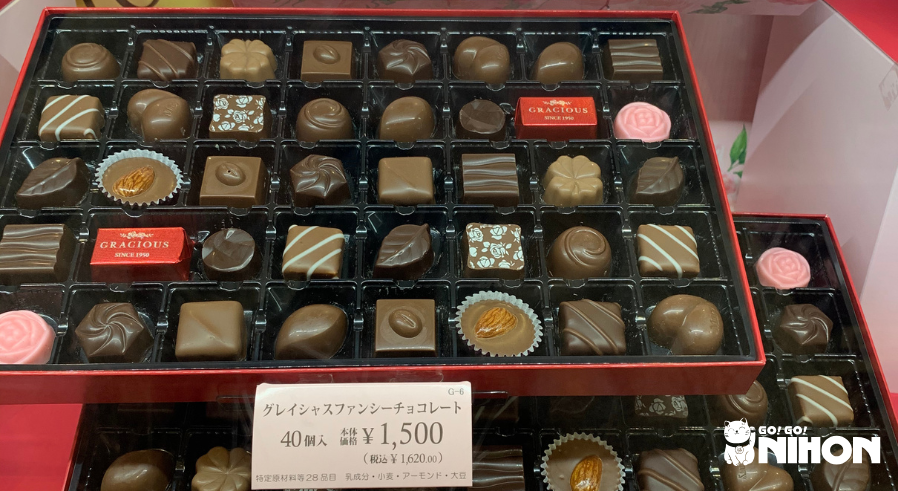
Mary Chocolate is a classic Japanese chocolate brand that’s been around since 1950. They’re known for reliable quality and beautiful presentation, making them a safe but sophisticated choice for Valentine’s gifting.
Accessible & popular brands
Not every Valentine’s chocolate needs to break the bank, especially when you’re dealing with giri choco for the whole office.
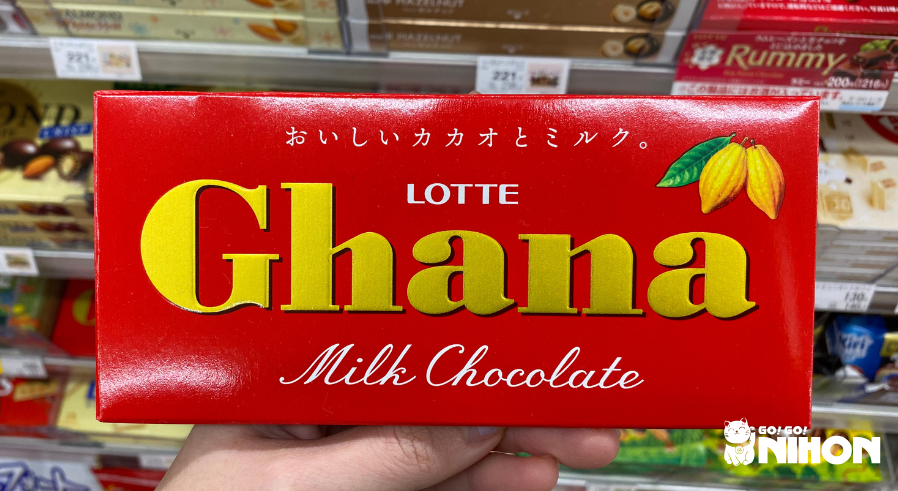
Meiji and Lotte Ghana are household names in Japan, and both brands offer special Valentine’s Day product lines and DIY baking chocolate that’s perfect for making homemade treats. Ghana even runs marketing campaigns encouraging people to make handmade chocolate, complete with recipes and tips.
Morozoff occupies a nice middle ground — more upscale than convenience store chocolate but not quite a luxury tier. Their custard puddings are famous, but their Valentine’s chocolate selections are equally beloved.
Tirol Choco produces those tiny, individually wrapped chocolates in countless flavors and designs. They’re affordable, cute, and perfect for tomo choco or casual giri choco. Plus, they release special Valentine’s packaging and flavors each year.
Uniquely Japanese options
Kit Kat in Japan deserves its own mention because they take the concept to another level entirely. With regional varieties, seasonal flavors, and special edition boxes, Kit Kat has become a surprisingly popular Valentine’s gift. You’ll find flavors like matcha, sake, strawberry cheesecake, and even wasabi. The special Valentine’s packaging often features messages or designs perfect for gifting.
Pocky and Mikado (chocolate-coated stick biscuits) also get the Valentine’s treatment with special edition boxes and flavors. They’re fun, shareable, and nostalgic — great for casual gifting.
Where to buy Valentine’s chocolate in Japan
Knowing where to shop can make or break your Valentine’s chocolate mission. Here’s where to find the good stuff:
Department store basements (depachika)
If you want to experience the full spectacle of Japanese Valentine’s chocolate culture, head to a department store basement food floor — called depachika (デパ地下). From late January through February 14th, these spaces transform into chocolate wonderlands.
Major department stores like Takashimaya, Mitsukoshi, Isetan, and Daimaru dedicate entire sections to Valentine’s chocolate, featuring dozens of brands from around the world alongside Japanese favorites. You’ll find everything from ¥500 boxes to ¥10,000+ luxury assortments. The atmosphere is energetic, samples are often available, and the presentation is beautiful. Fair warning: it gets crowded, especially on weekends close to Valentine’s Day.
Specialty chocolate shops
Cities like Tokyo, Osaka, and Kyoto have dedicated chocolate boutiques that operate year-round but shine during Valentine’s season. Places like Maison du Chocolat, La Maison du Chocolat, and smaller artisan shops create limited-edition Valentine’s collections. These shops often offer gift-wrapping services and can help you choose the perfect selection.
Convenience stores
Don’t underestimate the konbini. 7-Eleven, Lawson, and FamilyMart all stock Valentine’s chocolate, and while it won’t be luxury-tier, you can find decent options for last-minute giri choco or budget-friendly tomo choco. Some convenience stores even carry small boxes from recognizable brands like Meiji or Morozoff.
Online shopping
If crowds aren’t your thing, online shopping is increasingly popular. Department stores like Takashimaya and Isetan have online shops that ship Valentine’s chocolate nationwide. Rakuten and other online ecommerce sites also offer extensive Valentine’s selections, though shipping times can vary as the date approaches.
Pop-up Valentine’s chocolate fairs
Throughout January and early February, you’ll spot special Valentine’s chocolate fairs (バレンタインフェア) in shopping centers and event spaces. These temporary markets gather multiple chocolate brands in one location, making it easy to browse and compare. Major ones include the Salon du Chocolat events in Tokyo and Osaka, and the Amour du Chocolat fairs at various locations.
Making your own: the DIY route
If you want to add that personal touch without attending pastry school, DIY chocolate kits are your friend. They’re everywhere in Japan during Valentine’s season and come with everything you need to create impressive-looking chocolate at home.
You can find deco choco supplies and kits at:
- Tokyu Hands — The ultimate DIY and craft store, with entire sections dedicated to chocolate-making supplies during Valentine’s season
- Loft — Similar to Tokyu Hands, with loads of cute molds, decorating tools, and kits
- 100-yen shops (Daiso, Seria, Can Do) — Budget-friendly options including molds, wrapping materials, and basic decorating supplies
- Supermarkets — Most larger supermarkets have Valentine’s baking sections in January and February
If you’re looking for inspiration, Japanese YouTube is full of chocolate-making tutorials. Search for “バレンタインチョコ 作り方” (Valentine’s chocolate how-to) and you’ll find endless ideas.
The great thing about making your own chocolate is that it genuinely counts for something in Japanese culture. Handmade gifts are valued because they show you invested time and effort. It’s truly the thought that really does count.
Sweet traditions worth experiencing
Japanese Valentine’s Day is one of those cultural experiences that captures Japan’s ability to take a Western tradition and make it uniquely its own. However you choose to celebrate it, you’re participating in a tradition that millions of people across Japan are enjoying right alongside you.
And here’s a fun fact to keep in mind: Valentine’s Day is only half the story. On March 14th, White Day rolls around, when men are expected to return the favor with gifts for the women who gave them chocolate. The “rule” is that the return gift should be about two to three times the value of what they received — so if you’re on the receiving end of Valentine’s chocolate, start planning.
If you’re studying in Japan or planning to be here for Valentine’s Day, don’t miss out on this sweet cultural experience. The chocolate might be gone by February 15th, but the memories (and probably a few cavities) will stick around a bit longer.
Happy chocolate hunting, and may your Valentine’s Day in Japan be sweet in every sense of the word!
To learn more about life in Japan, make sure to check out our blog.