Skip to content

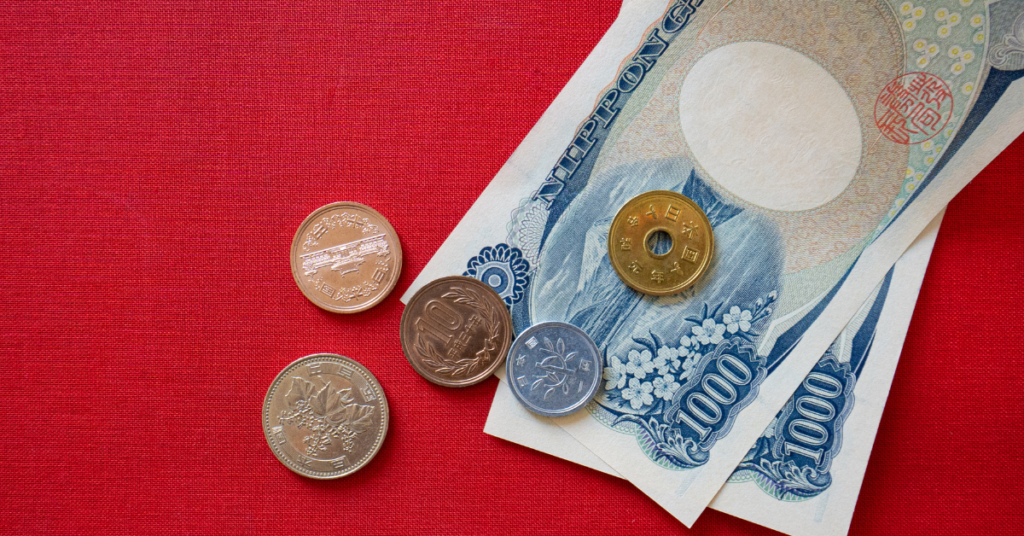
Tokyo has a reputation for being expensive, but for people in the know, it’s surprisingly affordable, especially with the current exchange rate. Many Study Trippers fear that they will run out of money or miss out on fun because of high costs.
As a team living in Tokyo, we know that the best authentic experiences often cost very little. A steaming bowl of ramen or a neon-lit walk in Shinjuku can be cheap and memorable. This guide will reveal our team’s favorite cheap things to do in Tokyo, helping you stretch your budget further while having the time of your life
Key takeaways
- Food is affordable: You can eat delicious, high-quality meals for under 1,000 JPY (approx. $7 USD).
- Views are free: You don’t need to pay for Tokyo Skytree to see the skyline; free observation decks exist.
- Culture costs nothing: Many top sights like temples, shrines, and parks are completely free to enter.
- Shop smart: 100-yen shops are a Study Tripper’s best friend for souvenirs and daily essentials.
- Study Trips save money: Bundling your accommodation and activities prevents costly rookie mistakes.
Is Tokyo expensive for Study Trippers?
Contrary to its reputation, Tokyo is surprisingly affordable. The current weak yen makes food and transport cheaper here than in many other international cities.
While rent and transportation can be pricey, daily living costs like food and entertainment are often lower than in major cities like London or New York. The current exchange rate acts as an “affordability amplifier,” meaning your home currency goes much further than it did a few years ago. You do not need a fortune to enjoy the city; you just need to know where to look.
Did you know? A delicious, healthy lunch in Tokyo often costs less than a coffee and a sandwich in New York or London.
Check out our short-term study in Japan guide to understand the full picture of living and studying in Japan.
What are the best cheap eats in Tokyo?
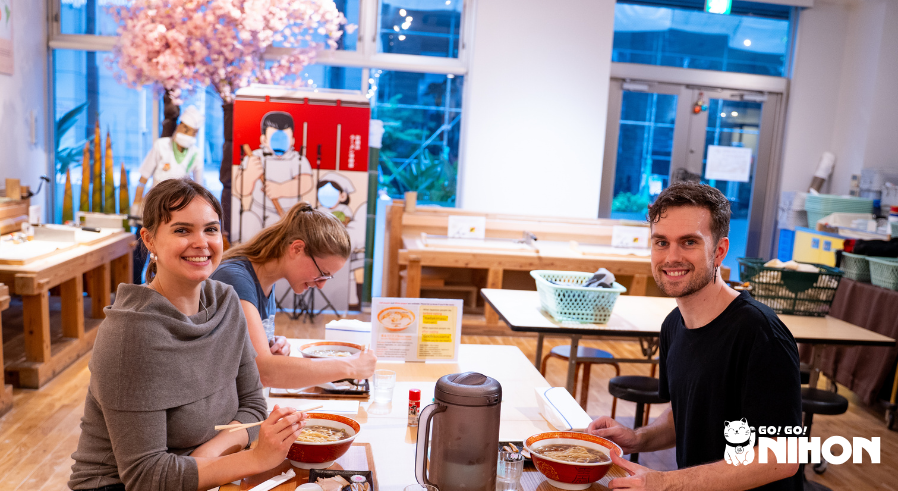
Some of the best cheap eats in Tokyo include 500 JPY beef bowls (gyudon), high-quality convenience store bento boxes, and hearty bowls of ramen found in standing noodle shops.
| Food type | Average price | Where to find | Why it’s great |
| Konbini bento | 400–600 JPY | 7-Eleven, Lawson, FamilyMart | Freshly stocked daily, huge variety. |
| Gyudon (beef bowl) | 400–600 JPY | Matsuya, Sukiya, Yoshinoya | Open 24/7, hot, and filling. |
| Standing noodle shops | 300–500 JPY | Train station platforms, stations, local shops | The ultimate fast, cheap, and local experience. |
| Set lunch (teishoku) | 800–1,000 JPY | Ootoya, local cafes | Includes rice, soup, and sides for a balanced meal. |
You can eat incredibly well in Japan on a student budget. Our Study Trip Programs Lead Crystal recommends supermarket bento boxes, which are delicious and usually cost around 500 JPY. Jose, one of our Tour Leaders, suggests looking for “one-coin” lunches (500 JPY) available at various venues across the city.
Here are the top categories for budget dining:
- Konbini (convenience stores): Stores like 7-Eleven, Lawson, and FamilyMart offer high-quality meals, from onigiri (rice balls) to pasta, often for under 600 JPY.
- Gyudon chains: Restaurants like Matsuya, Sukiya, and Yoshinoya serve hot beef bowls and set meals 24/7 for roughly 400–600 JPY.
- Standing noodle shops: Often found at train stations, you can get a filling bowl of soba or udon for a few hundred yen.
- Ethnic restaurants: In neighborhoods like Shin-Okubo, you can find authentic Korean, Thai, and Vietnamese lunches for under 1,000 JPY.
Did you know? Japanese convenience stores (konbini) restock fresh food multiple times a day, meaning the “fast food” is actually fresh and nutritious.
What can I do in Tokyo for free?
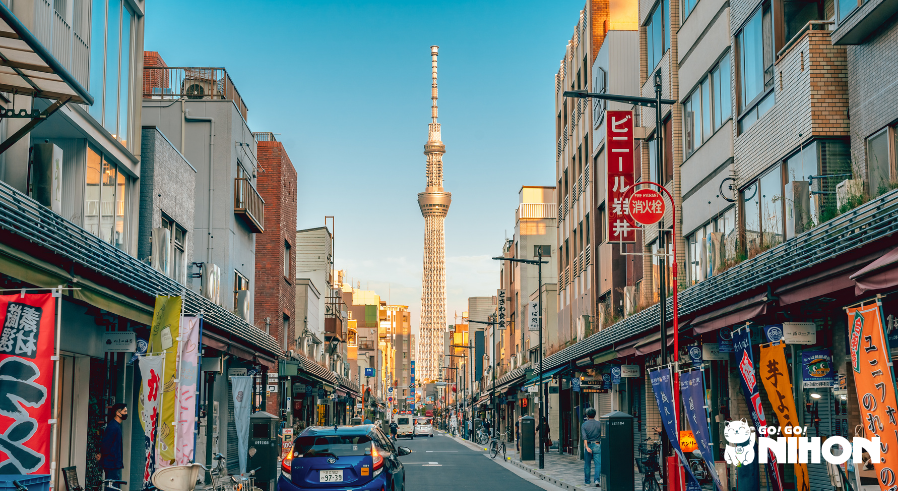
You can enjoy amazing free experiences in Tokyo, from the historic Sensō-ji Temple to the panoramic views at the Tokyo Metropolitan Government Building.
Sightseeing in Tokyo does not have to involve expensive tickets. Many of the city’s most iconic landmarks are completely free. Our Tour Leaders love taking Study Trippers to see the Godzilla head statue and the 3D cat billboard in Shinjuku.
Here are some of the top free spots to add to your itinerary:
- Tokyo Metropolitan Government Building (Tochōmae): Offers stunning panoramic views of the city (and on a clear day sometimes Mt. Fuji) for free, saving you the cost of the Skytree or Tokyo Tower.
- Sensō-ji Temple: Tokyo’s oldest temple in Asakusa is free to visit and always vibrant.
- Shibuya Crossing: Experience the world’s busiest pedestrian crossing without spending a yen.
- Yoyogi Park: A fantastic place to people-watch, see rockabilly dancers on Sundays, and enjoy nature.
- Meiji Jingū Shrine: A serene escape into a forest right in the middle of the city.
Did you know? The Tokyo Metropolitan Government Building has two towers with free observation decks that stay open late for night views.
Where can I find affordable shopping and souvenirs?
For affordable shopping, head to 100-yen shops like DAISO and Seria, where you can find high-quality souvenirs, stationery, and household goods for just a fraction of the cost of tourist stores.
Shopping in the main tourist areas like Akihabara can sometimes be expensive if you stick to the main streets. Instead, savvy Study Trippers go to 100-yen shops. These are not like the “dollar stores” you might be used to; the quality is surprisingly high. You can find beautiful Japanese ceramics, cute character goods, study supplies, and snacks that make perfect gifts for friends back home.
Did you know? You can buy everything from Japanese ceramics to cute character goods at 100-yen shops, making them perfect for gifts.
How do Study Trips help me stay on budget?
Booking a Study Trip helps you stay on budget by bundling your accommodation, tuition, and activities into one fixed price, protecting you from unexpected costs and expensive tourist traps.
| Feature | Planning solo (DIY) | Go! Go! Nihon Study Trip |
| Accommodation | Prices fluctuate. | Fixed price secured in advance. |
| Hidden costs | Easy to overspend on transport or “tourist trap” meals. | No surprises. Transport card & local guides included in all official Study Trip activities. (Remember to budget for your free time). |
| Guidance | You rely on Google Maps and outdated blogs. | Local experts show you the real cheap spots. |
| Social life | Can be lonely; hard to meet people. | Instant community of friends from day one. |
When you plan a trip alone, costs can spiral quickly, especially accommodation, which is the biggest variable. A Study Trip secures your housing and tuition at a set rate. Furthermore, our expert guides help you get around the city efficiently. We warn you about expensive mistakes, like bars or restaurants with staff “fishing” for customers outside, which are often overpriced traps.
Did you know? Our Tour Leaders take you to local izakayas (Japanese pubs) that are authentic and affordable, rather than overpriced tourist restaurants.
Further reading: Learn more in How Much Does a Study Trip Cost?
FAQ: Budgeting for your Tokyo Study Trip
What is there to do in Tokyo for cheap?
You can visit iconic shrines like Meiji Jingū and Sensō-ji, see the city view from the Tokyo Metropolitan Government Building, and people-watch in Harajuku or Yoyogi Park — all for free.
How much money do I need per day in Tokyo?
For a Study Tripper on a budget, we recommend planning for a modest daily allowance. This covers three modest meals, public transport, and some snacks or entertainment.
Is food expensive in Tokyo?
It doesn’t have to be. While fine dining is pricey, you can get high-quality, filling meals like ramen, curry, or beef bowls for 500–1,000 JPY ($3.50–$7 USD).
Do I need cash in Tokyo?
Yes. While cards are becoming more common, many affordable ramen shops and ticket machines still only accept cash. Always carry some yen with you.
In summary
Tokyo is an incredibly student-friendly city where you can enjoy world-class food like ramen and sushi for under 1,000 JPY and visit iconic sights like Sensō-ji and the Tokyo Government Building for free. By taking advantage of 100-yen shops and visiting local neighborhoods, you can have a rich, authentic experience without a massive budget. Go! Go! Nihon’s Study Trips make this even easier by providing affordable accommodation and expert guides who show you exactly where to find the best deals.
Contact us today to start planning your affordable Japanese adventure!