Skip to content

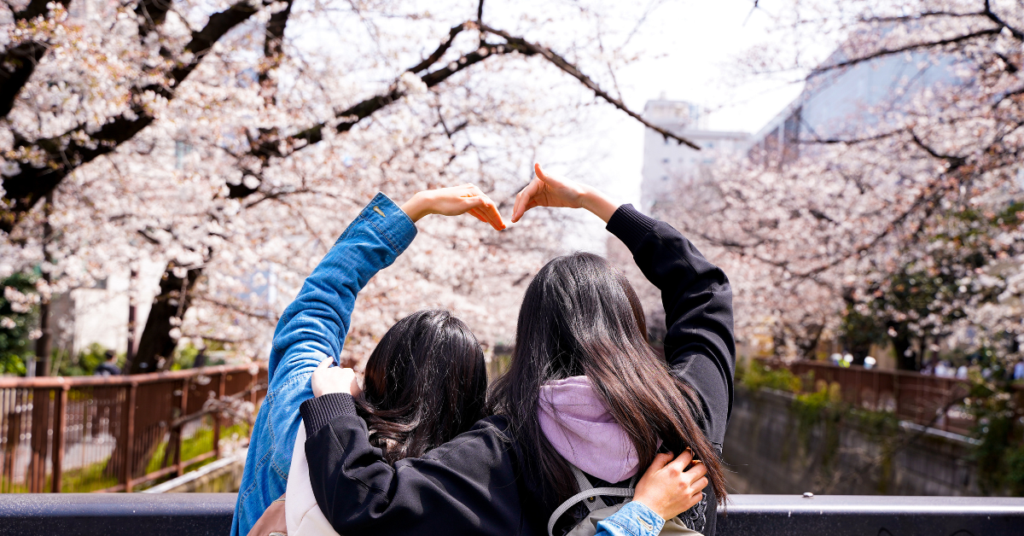
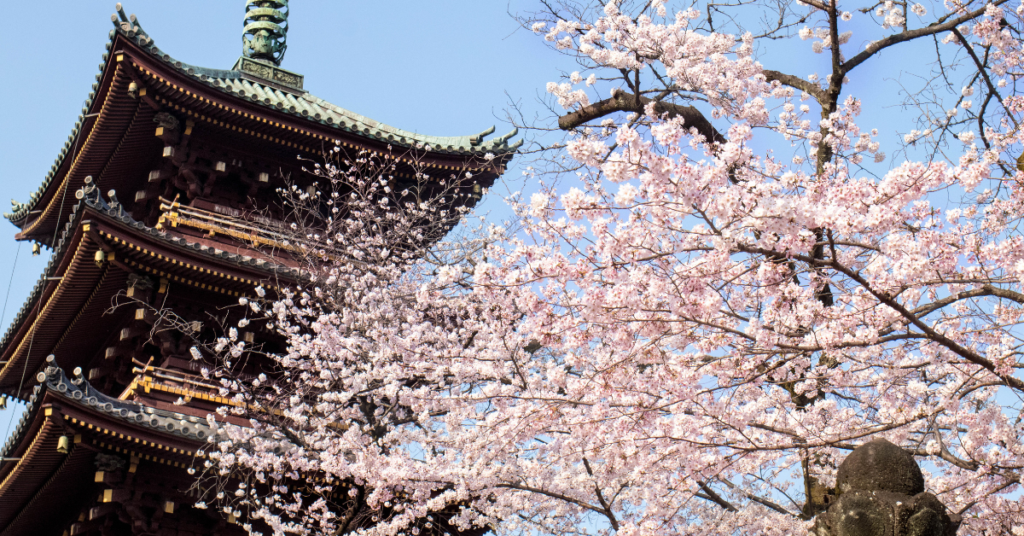
January 1st might be when the calendar flips, but in Japan, the real sense of a fresh start arrives in April, right alongside the cherry blossoms.
Both the school year and fiscal year begins. Thousands of new graduates put on suits for the first time and walk into their first day of work. Moving trucks are booked out weeks in advance as people relocate for new schools, new jobs, and new chapters in life.
If you’ve ever wanted to experience the feeling of new beginnings in the spring, then April in Japan is the place to be.
The season of moving
In most countries, life transitions are scattered throughout the year — people start jobs in autumn, move cities in summer, graduate at different times. However, Japan does things differently. April is the single starting point for almost everything: university enrollment, company intake, school entrance ceremonies (入学式, nyūgakushiki), etc.
For anyone moving to Japan to study, this matters. April is one of the most popular intake periods for Japanese language schools, and arriving during this season means you’re not alone in starting fresh because you’re doing it alongside everyone else.
One thing to know before you arrive: March is the busiest moving month in Japan. Moving companies get booked out fast, and prices reflect it. If you can be flexible with your move-in date, even shifting by a couple of weeks can make a big difference.

Starting work in Japan
For new graduates entering the Japanese workforce, April comes with its own rituals. Most large companies hold formal entrance ceremonies (nyūsha shiki) to welcome their new hires.
A few things worth knowing if you’re stepping into a Japanese workplace this spring:
Keigo (敬語) — the formal register of Japanese used with colleagues and clients, which is expected from day one. Even if your Japanese is still developing, making the effort goes a long way.
Meishi (名刺) — business card exchange, which follows its own etiquette. Receive a card with both hands, look at it properly, and don’t write on it or shove it in your pocket.
Nomikai (飲み会) — after-work drinks, which are a genuine part of workplace culture, particularly in the first weeks. They’re less about drinking and more about getting to know your team outside of formal settings.
This year also brings some notable changes to Japanese labor law. From April 2026, employers are required to make reasonable efforts to support employees who are managing ongoing health conditions alongside work. Companies with over 100 employees must now publicly disclose their gender pay gap data and the ratio of women in management roles. And new measures are in place to tailor working conditions for senior employees. These are meaningful shifts — and if you’re job hunting in Japan, they’re worth knowing about.
What’s new in Japan this April 2026
Beyond the workplace, a handful of policy changes are coming into effect that are relevant to anyone living in Japan as a foreign resident.
My Number card integration — Japan is rolling out a new combined card that merges Residence Card and My Number functions. The goal is to simplify the usual two-system, two-update process and keep records between immigration and city hall in sync. It’s optional for now, but worth keeping an eye on.
Health insurance dependent rules — The so-called “1.3 million yen wall” is getting a technical adjustment. From this month, insurers will assess dependent status based on projected income rather than waiting until the end of the year to check actual earnings. This means decisions happen earlier and more predictably — useful to know if you’re a spouse on a dependent plan.
Child support contribution — A new nationwide levy has been introduced to fund Japan’s expanded child and family support programs. It applies broadly, so expect to see a small addition to your insurance bill.
Bicycle fines — This one catches people off guard. Japan has introduced a Blue Ticket (ao-kippu) system from April 2026, giving police the ability to issue on-the-spot fines for cycling violations. Using your phone while riding: 12,000 yen; riding on the wrong side or running a red light: 6,000 yen; riding side by side: 3,000 yen. If you’re cycling to school or work, it’s worth a quick review of the rules.
Permanent residency applications — Foreign nationals must now hold the maximum permitted period of stay under their current visa at the time of applying for PR. For most work visa holders, that means a five-year visa rather than the previously acceptable three-year.
Try something you’ve never tried before
There’s something about spring in Japan that makes new things feel possible. Maybe it’s the energy of everyone starting fresh at once, or maybe it’s just the blooming cherry blossoms.
Either way, April is a great time to pick up a skill you’ve never tried. Japan has no shortage of options — and some of the most memorable ones are the quiet, hands-on kind.
On our Spring Study Trip, students this year are getting to try:
Shibori (絞り染め) — traditional Japanese tie-dye, done by folding, twisting, and binding fabric before dyeing. The patterns are unpredictable in the best way, and you leave with something genuinely unique.
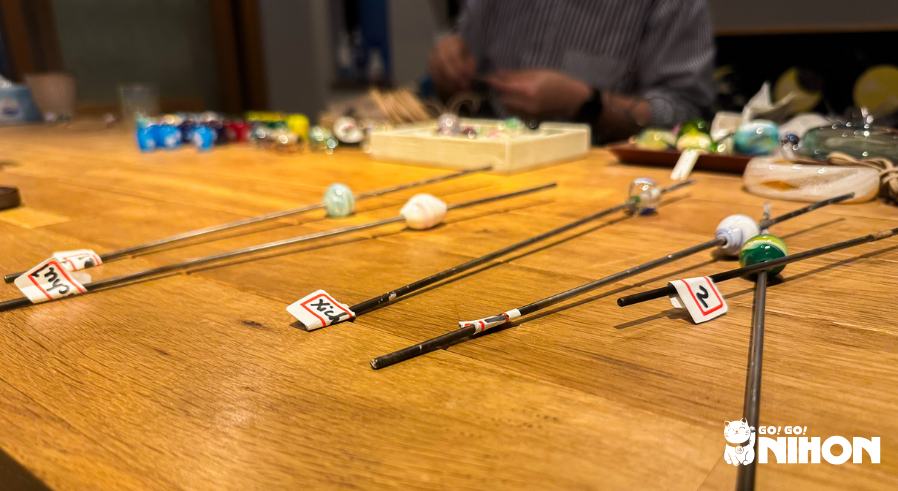
Tonbodama (とんぼ玉) — glass bead making, an old Japanese craft where you shape molten glass around a rod over a flame. It’s meditative and the results are beautiful.
Tea ceremony (茶道, sadō) — more than just drinking tea. The ceremony is a practice in slowing down, paying attention, and doing one thing properly. In a month full of new beginnings, there’s something grounding about it.
And then there’s the spring picnic with locals — no craft involved, just food and conversation outdoors with Japanese people, during a time when the weather is actually mild and enjoyable.

What our new students are looking forward to
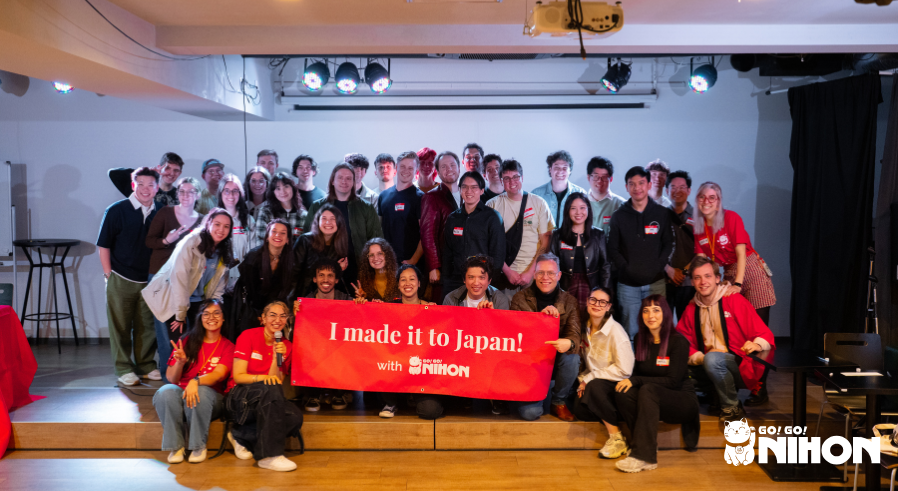
We asked some of our students who just arrived for the April term what they’re most excited about. Here’s what they said:
“I’d like to see some live concerts and dance with all the fans of my favorite singers and idols.” — Francis, US
“I want to meet nice people and also learn Japanese and maybe find a job to stay here.” — Arnaud, France
“I’m here for food, people, and music.” — Adriano, Italy
“What I’m looking forward to in Japan is the food — all of it!” — Lucas, Sweden
Whatever brings you to Japan this spring — a new school, a new job, a new skill, or just a new chapter — you’re arriving at exactly the right time. The whole country is starting fresh alongside you.
To learn more about life in Japan, check out our blog. To get started on your own Japanese adventure, make sure to contact us.