Skip to content

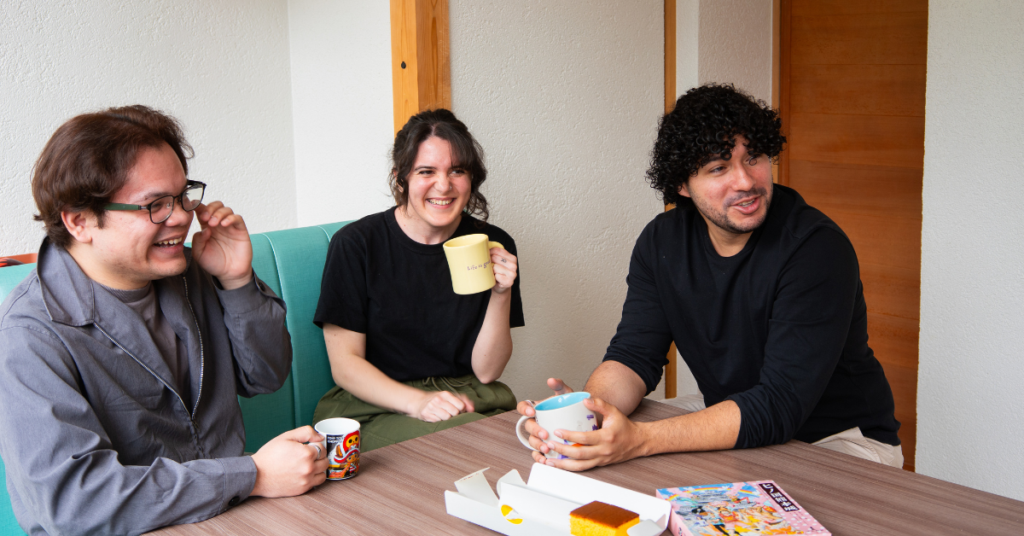
Think of the sounds of Japan, and you’ll likely imagine the buzz of Shinjuku and Dotonbori or the silence of a Zen temple. However, there is a rhythmic revolution happening in the archipelago: Spanish lyrics are taking over. From 1950s dance halls to modern day trap, the connection between Japan and Latin music is deeper (and louder) than you might think.
A historic romance: the quest for artistic mastery
In Japan, Latin music isn’t just background noise; it is a discipline studied with legendary precision.
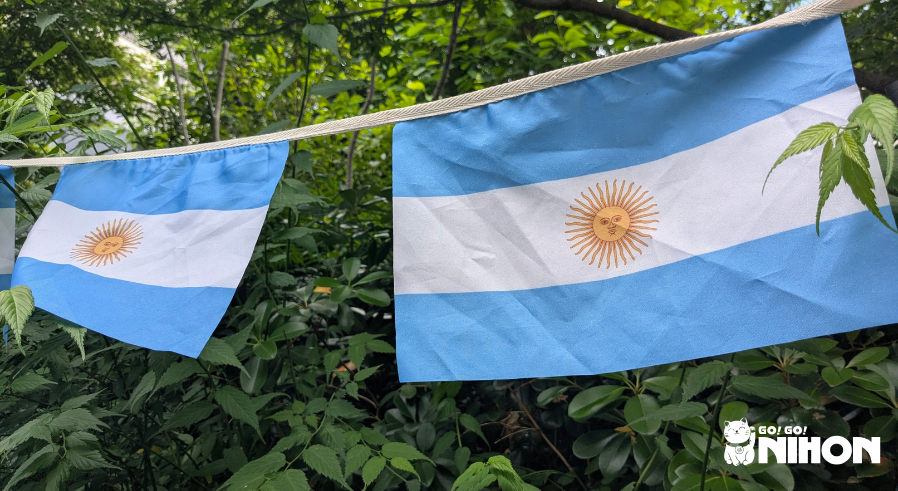
Tango: a national obsession with elegance
Japanese people love Argentine tango, even though it is a country where physical affection is not popular and there is an emphasis on distance. So, why is it popular?
Tango arrived in Japan during the late Tokugawa Shogunate and early Meiji Era, through the grandson of Kaishu Katsu: Tsunayoshi Megata. However, initially, he thought tango was from France, having lived there and learned how to dance it at the Cabaret El Garron, where Manuel Pizzaro’s orchestra performed.
After his return to Japan, starting in the late 30s, many tango orchestras formed in Japan, with Ranko Fujisawa as one of the most famous cases. Moreover, because music genres from the United States were prohibited, tango gained a lot of popularity.
Nowadays, tango is still very popular among Japanese people, with many schools and milongas all around the country. Japan even has the Asian Championship that started in 2004 as the world’s first official international preliminary and has become a place that allows an acceptable embrace with someone without fear of invasion of personal space.
After Argentina, Japan is the country with the longest history of tango.
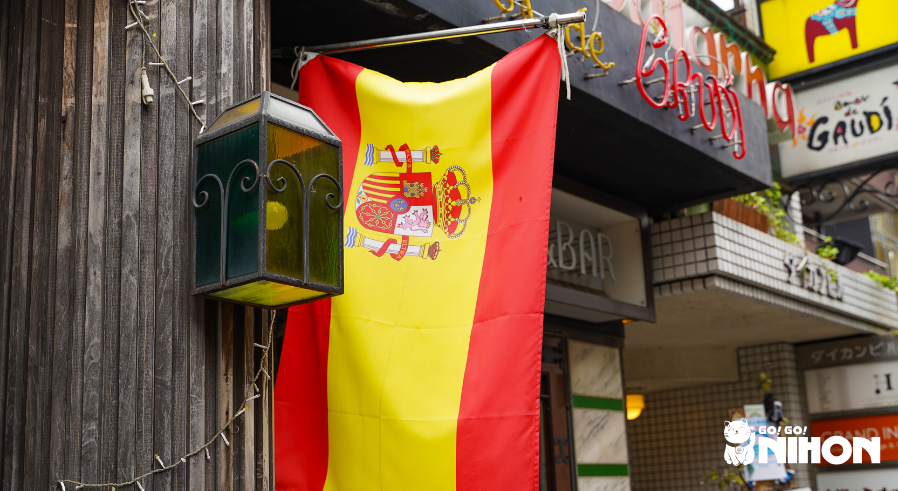
Flamenco: Japan’s second home
Flamenco is known as a pure expression of feelings and has a similar story as tango in Japan, where it is also considered the second home of this genre after Spain (and there are more schools of flamenco here than in the whole of Spain).
Flamenco had its debut in Japan during the 20s thanks to Spanish movies: “El amor Brujo” and “Andalucia.” Antonia Merce was the first Spanish dancer who performed in Japan and she inspired many people to start not only dancing, but also singing and learning the instruments. However, it became more popular in the 50s and 60s, when the Japanese economy started taking off. It was a time when some Japanese flamenco dancers could go to Spain to learn the dance, and then they opened their own schools in Japan.
Today, flamenco is a very well-known genre with over 300 academies across the country, with Cervantes Institute being one of the organizations that promotes Spanish and Spanish-speaking cultures as one of the biggest international headquarters in Tokyo.
There are also university students who spend their summer holidays in Andalusia, Spain to learn more about it.
Breaking the ice: salsa and bachata as a social bridge
Latin music helps many Japanese people to overcome the typical “social wall.” Even though Japan has strict social rules, salsa clubs operate under “Latin rules,” where the hierarchy of age disappears and people feel more freedom.
These places also became “safe havens” for foreign residents and students and, if you speak Spanish, you’ll be treated like a friend.
Salsa clubs are places where international students can feel at home and socialize either with other Latinos or Japanese people who are interested in Spanish-speaking countries. These places create a cross-cultural synergy where language barriers melt away.
But, how did salsa become popular in Japan?
In 1984, a legendary all-Japanese band called Orquesta de la Luz was formed. The band proved to the world that you don’t need to be born in the Caribbean to have “sabor,” as they topped the Billboard tropical charts and made Japan a global hub for Latin music, which led to massive annual events like “The Salsa Street” in Yoyogi Park and “Isla de Salsa” in Fukuoka.
Furthermore, the heart of the movement is based in Roppongi and Shinjuku, two districts known for being home to iconic spots like Cafe Latino or Salsa Sudada.
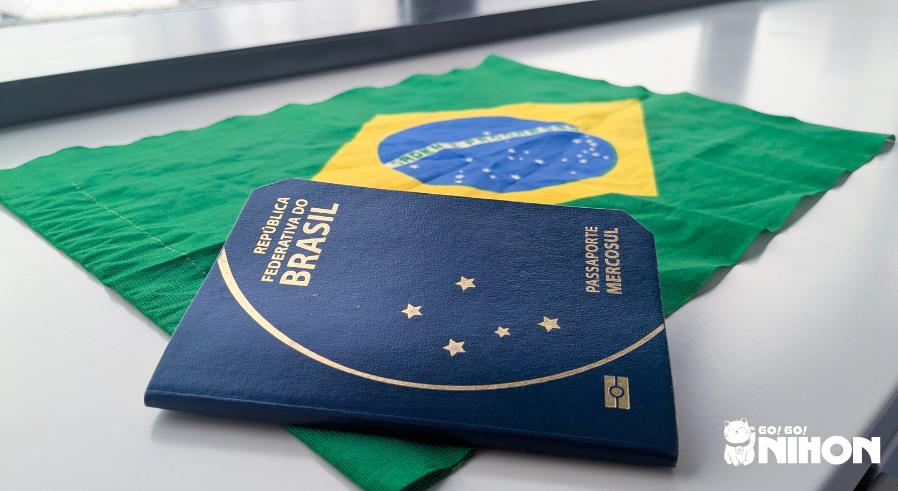
Beyond the clubs: the massive carnival culture in Japan
While salsa and tango often happen in intimate venues, Japan also takes the Latin spirit to the streets with some of the largest parades in the world.
The Asakusa Samba Carnival: a tropical takeover of traditional Tokyo
The most important carnival parade in Japan is the one held in Asakusa at the end of August called Asakusa Samba Carnival. This one began in 1981 by Taito ward mayor Eiichi Uchiyama and comedian Sansaburo Ban as a project to revitalize the area with a more fresh and different air.
For doing that, they sent a delegation to Brazil to study Samba and it became a cultural fusion between the energetic and colorful Rio Carnival and the local Japanese community.
Nowadays, the parade has over 500,000 spectators and is a very important celebration where Brazilians also can feel at home, since it’s known that Brazil holds the world’s largest population of Japanese descent outside of Japan.
The urban revolution: the “Bad Bunny Effect” and the new guard
Today, Spanish isn’t just for dance studios; it’s the soundtrack of Japan’s Gen Z.
From “Yonaguni” to trap: breaking the language barrier
In actuality, Spanish music still has a lot of popularity among younger generations. Especially thanks to artists like Bad Bunny, Rosalia, and Catriel & Paco Amoroso, who have become a strong presence throughout the whole world.
In Japan, they became popular because of their love of Japanese culture and the references they made in some of their songs. For example, Bad Bunny sings in Japanese at the end of his song “Yonaguni,” while Rosalia has a song called Chicken Teriyaki. So, Japanese people like this relationship and music that feels energetic and free, making them want to learn Spanish and about Latin culture.
More and more Latin artists are part of the most important festivals in Japan, such as Fuji Rock, and they even have special events with not only foreign fans but also a lot of Japanese people.
Where can I experience Latin culture in Japan?
Our team at Go! Go! Nihon stands out with its multiculturalism. Among us, we have Latin voices who, after years of living in Japan, have discovered corners where the culture feels like their own.
These are their personal recommendations for those looking for a home away from home:
- Salsa Street: An event held monthly in areas such as Yoyogi Park, Ueno Park, and Sumida Park. Ricardo, one of our Student Advisors, recommends this event for its cheerful atmosphere, South American street food, and because, in addition to meeting other Latinos, many Japanese people also attend.
- OCTA tacos: A Mexican restaurant also recommended by Ricardo.
- Barbacoa: “I am from São Paulo, Brazil, and this barbacoa restaurant originates from there. It is a mix between Brazilian food and Japanese customer service,” were the words spoken by Elaine, our Student Advisor for the Portuguese market. Additionally, they have branches in various parts of Tokyo.
- Arco Iris, Café Latino, Fukemen Brothers, and Latino Havana 1950 were all places recommended by José, our Study Trip Tour Leader. He also mentioned the Caribbean & Latin America Street Festival in Yoyogi, where he usually goes every year.
Other places and events in Tokyo and other prefectures:
- Sakura Tango Festival in Fukuoka (April)
- Mexican Party in Odaiba (mid- September)
- Caribbean restaurant Sunny Cafe in Ebisu
- Yonaguni Fiesta
- La Bodeguita Cuban Salsa Spot
- Latin parties organized by Yonaguni Fiesta in Osaka
- Shima Spain Village in Mie
- Latin Center in Kyushu
- Kurashiki Tango Story (May)
To learn more about international life in Japan, check out our blog. Interested in moving to Japan? Make sure to contact us.