Skip to content

What should I pack for Japan?
Feeling unsure about what to pack for your Study Trip to Japan? We have you covered. Packing can feel like a big task, but this guide will make sure you have everything you need for an amazing and comfortable adventure.
Main key takeaways
- The most important items are your passport, Study Trip documents, and access to money.
- Medications must be packed in your carry-on with a doctor’s note and original packaging.
- Pack smart by focusing on layers, comfortable walking shoes, and remembering you have access to laundry.
- For electronics, a portable power bank and a Type A travel adapter are essential.
- We recommend using packing cubes to save space for the unique souvenirs you will want to bring home.
The master packing list quick overview
Here is a quick summary of everything you need to pack. You can find detailed advice for each category in the sections below.
Documents & money
- Passport (plus physical and digital copies)
- Flight booking confirmations
- School acceptance letter and accommodation details
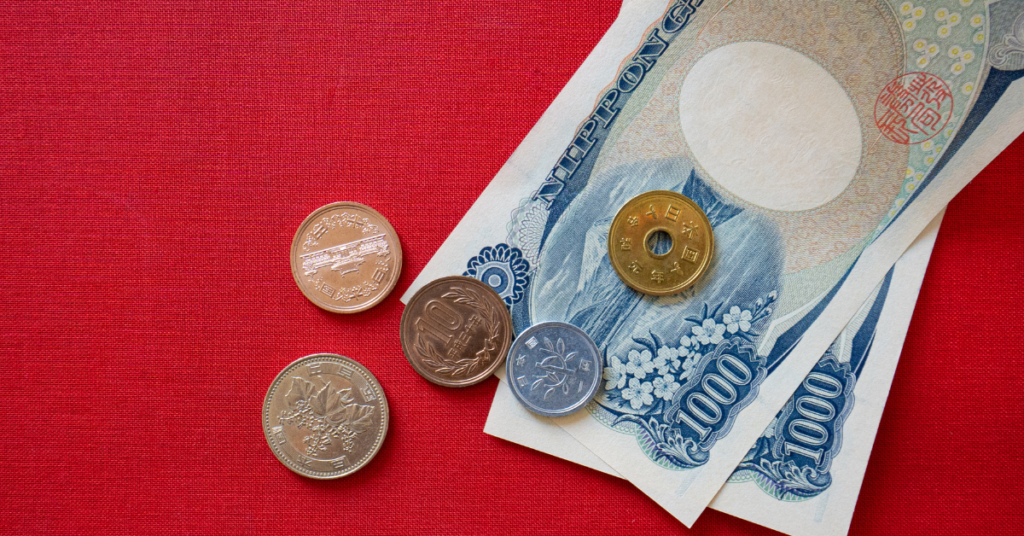
- Japanese yen in cash (for your first few days)
- Travel-friendly debit or credit card
Clothing & footwear
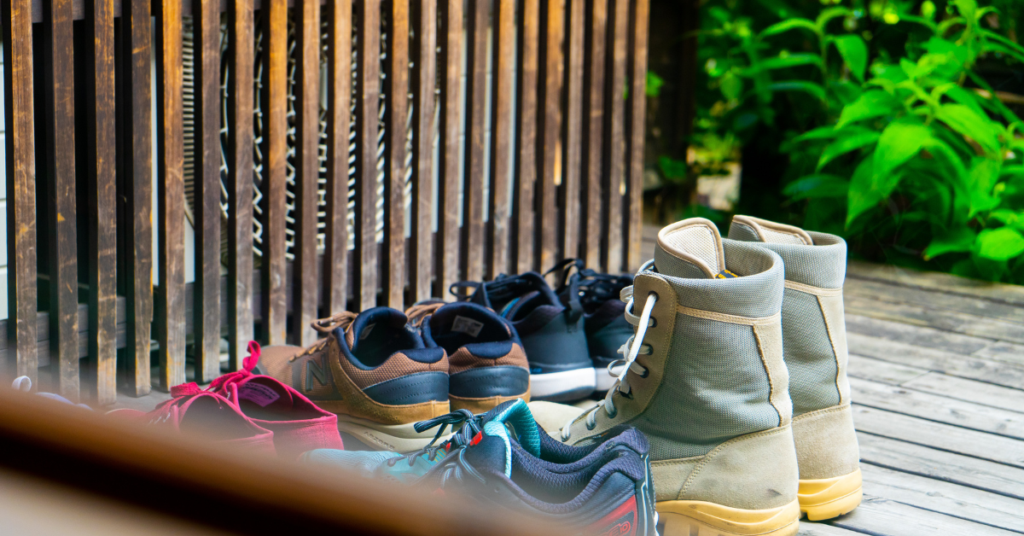
- Comfortable, broken-in walking shoes (essential)
- T-shirts and tops for layering
- Light sweater or cardigan (for air-conditioned rooms)
- Waterproof or windproof jacket
- Underwear and socks
- Seasonal extras: Compact umbrella (spring), handheld fan (summer), medium-weight jacket (autumn), thermal base layers/heavy coat (winter)
Electronics
- Smartphone
- Portable power bank (Must be in carry-on)
- Type A travel adapter
- Chargers for all devices
- Noise-canceling headphones (optional)
Health & miscellaneous
- Prescription medications (original packaging and doctor’s note)
- Packing cubes
- Small game or icebreaker from home
- Notebook for studying
What’s inside this Japan packing list?
This guide is a complete checklist that breaks down your packing into simple, manageable categories. We will cover everything from essential documents to the specific clothes you will need for each season, with expert tips from our team woven in.
Here is a quick overview of what this guide covers:
- Essential documents & money: A checklist of the non-negotiable items you need to get into the country and manage your finances.
- Medications & personal care: Crucial advice on how to safely and legally pack personal medications, which have different rules in Japan.
- Clothing by season: A seasonal breakdown of what to wear, ensuring you are comfortable, whether you’re here during a humid summer or a cold winter.
- Electronics & travel gadgets: A guide to the essential tech, including the correct power adapters and chargers you will need for your devices in Japan.
- Study Trip-specific tips: Unique suggestions tailored to your goals, whether you are a “Study Tripper” or a “Language Lover.”
What are the absolute essentials for your Study Trip? (documents & money)
The most important items to pack for your Study Trip in Japan are your passport, your Study Trip documents, and access to money. These are the non-negotiable items you should double-check before you leave for the airport.
- Passport (and a digital or physical copy, just in case)
- Flight information and any booking confirmations
- School acceptance letter and accommodation details
- Japanese yen in cash to cover your first few days
- A travel-friendly debit or credit card
What should I know about packing medications?
The most important rule for medications is to check Japan’s regulations online before you fly, as some common medicines from your home country may not be allowed. It is important to prepare your medications correctly for travel. According to our Student Advisors, “Always pack your medication in your carry-on bag, not your checked luggage.”
Here are the key steps to follow:
- Keep all medication in its original container.
- For any prescription medication, bring a copy of your prescription and a doctor’s note.
- Check with the official Japanese embassy or consulate website in your country for the most up-to-date rules on bringing specific medications.
Go! Go! Nihon’s Study Trip team also recommends that you research an English-speaking hospital or clinic (or an online medical service provider, if appropriate for your condition) that can provide the treatment you need.
“It is also important to follow the guidelines of the Import Certificate (Yunyu Kakunin-sho) and have a handy list of what basic medication and symptoms are in Japanese”.
– Jose, Go! Go! Nihon Tour Leader
For more details on staying well, see our Guide to Health & Safety in Japan.
What clothes should I pack for my Japan Study Trip?
Quick guide: weather in Japan and essentials at a glance
| Season | Avg. temperature | Key strategy | Top item to pack |
| Spring (Mar-May) | 13°C – 19°C (55°F – 66°F) | Layers for changing weather | Compact umbrella |
| Summer (Jun-Aug) | 25°C – 32°C (77°F – 90°F) | Cooling for high humidity | Handheld fan & cooling wipes |
| Autumn (Sep-Nov) | 10°C – 22°C (50°F – 72°F) | Comfort for walking tours | Broken-in walking shoes |
| Winter (Dec-Feb) | 2°C – 12°C (36°F – 54°F) | Warmth against the wind | Thermal base layers (HEATTECH) |
The clothes you pack will depend entirely on the season, but the most important item for any Study Trip is a comfortable pair of walking shoes. You will be doing a lot of walking, so comfortable shoes are a must. A great tip from our team is to use packing cubes, as they “can also save you a lot of space for souvenirs!”
It is also important to remember that you will have access to coin laundry on your Study Trip, “so you do not have to pack enough to last the whole trip”. Pack smart by focusing on layers you can add or remove.
Not sure which season is for you? Check out our Guide to the Best Season to Visit Japan.
What to pack for Japan in spring (March-May)?
Spring in Japan is mild and pleasant, but can also be rainy, with average daytime temperatures ranging from 13°C to 19°C (55°F – 66°F).
Because the weather can change quickly from sunny to rainy, layers are key. Here is what to pack:
- Layers: Bring t-shirts, light sweaters, and cardigans that you can easily add or remove.
- Outerwear: A waterproof or windproof jacket is essential for sudden weather changes.
- Accessories: Pack a compact umbrella for the occasional spring shower.
What to pack for Japan in summer (June-September)?
Summer in Japan is hot and very humid, with temperatures often ranging from 25°C to 32°C (77°F – 90°F) and high humidity that makes it feel even hotter. The hot and humid weather now continues throughout September.
The goal is to stay cool outside but warm enough inside where air conditioning is strong. Here is what to pack:
- Breathable clothing: Pack light items made of cotton or linen to help handle the humidity.
- Light layer: Bring a light sweater or jacket, as trains and shops often have very strong air conditioning.
- Cooling essentials: Our team recommends a handheld fan, cooling mist spray, and “Gatsby” cooling sheets to help you survive the heat.
What to pack for Japan in autumn (October and November)?
Autumn brings cool and comfortable weather, with temperatures typically dropping from around 22°C (72°F) in October to a crisp 10°C – 17°C (50°F – 63°F) by November.
This is often considered the most comfortable season for exploring. Here is what to pack:
- Warm layers: Pack long-sleeved shirts and sweaters for the cooler days.
- Outerwear: A medium-weight jacket or cardigan is perfect for the cool evenings.
- Comfortable shoes: Since the weather is perfect for walking, make sure that you have shoes that are broken in and comfortable.
What to pack for Japan in winter (December-February)?
Winter in Japan is cold and clear, with temperatures generally ranging from 2°C to 12°C (36°F – 54°F), and nights can dip close to freezing.
While snow is rare in Tokyo, the wind can make it feel quite cold. Here is what to pack:
- Thermal base layers: Items like thermal underwear are highly recommended to trap body heat.
- Heavy outerwear: Bring a warm, heavy coat and wool sweaters.
- Winter accessories: Do not forget gloves, a warm hat, and mittens.
- Hokkairo: Our team suggests buying “hokkairo” (disposable heating pads) once you arrive to keep your hands, feet, and pockets warm.
What are the essential travel gadgets for Japan?
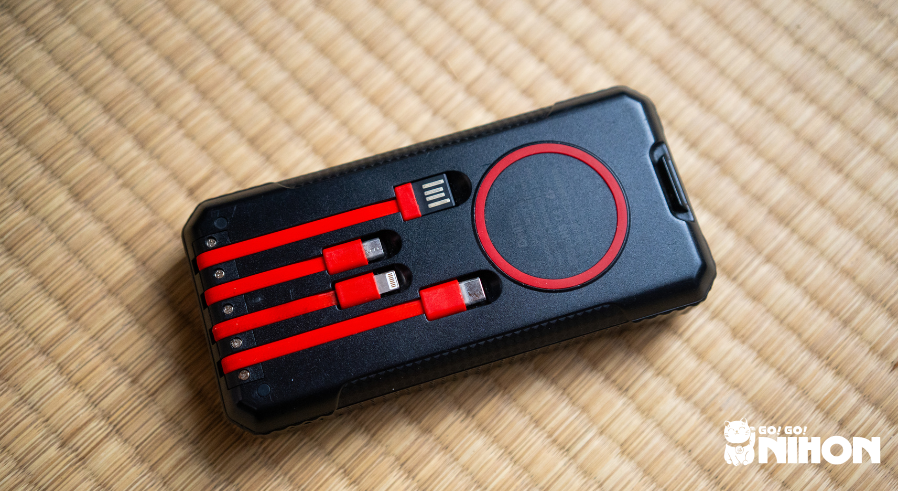
The most essential travel gadget for Japan is a portable power bank, as you will use your phone constantly for maps, translation, and photos. Your phone will be your most important tool, and a power bank makes sure you are never without it.
“Power banks are great to have, but always check your airline’s new flight regulations for carrying them (they must be in your carry-on).”
– Crystal , Go! Go! Nihon Study Trip Programs Lead
Which types of travel adapters and chargers are best for Japan?
Japan uses Type A plugs, which have two flat, parallel prongs. The voltage in Japan is 100V, which is lower than in many other countries. Most modern electronics, like laptops and phone chargers (from 100-240V), are built to handle this, but you will need a simple Type A adapter to plug them in.
What should I pack for my specific Study Trip?
Finally, you can add a few personal items to make your Study Trip even better. Our Study Trip Programs Lead, Crystal, has a few great suggestions:
- A small, easy-to-pack game from your home country to share with new friends is a great icebreaker.
- Noise-canceling headphones are a great suggestion for study time. A good notebook for practicing is also a great idea, though you can also buy many high-quality notebooks in Japan.
Frequently asked questions about packing
- What shouldn’t I pack?
You should not pack too much. You will have access to laundry, and you will want space in your luggage for all the unique souvenirs you will buy. - How much luggage can I bring?
This depends on your airline, but we recommend no more than one main suitcase and one carry-on backpack. Navigating train stations can be difficult with multiple large bags. - Can I buy toiletries in Japan?
Yes, Japan has amazing and affordable toiletries in every convenience store and pharmacy, so you can save space by buying items like shampoo and soap when you arrive. - Can I bring my prescription medication?
Yes, but you must follow strict rules. Always keep medication in its original container, bring a copy of your prescription and a doctor’s note, and check the official regulations before you fly, as some common medicines may not be allowed. - Where should I pack my power bank?
While a portable power bank is essential for your trip, you must pack it in your carry-on bag. Airline regulations typically forbid packing lithium-ion batteries in checked luggage.
Conclusion: your adventure starts here
Packing for a long-awaited adventure is part of the fun. Now that you have your Japan packing list ready, you can feel confident that you are prepared for an amazing and comfortable Study Trip. This is a huge step in getting ready for your arrival.
Visit our Study Trip page to select the perfect Study Trip for you and visit our blog to learn more about Study Trips and life in Japan.