Skip to content

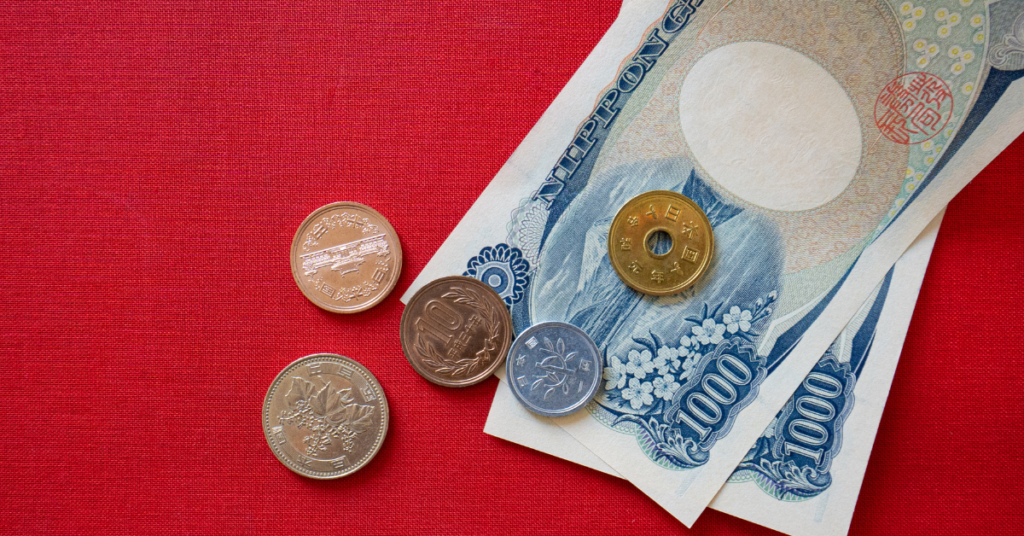
While our team handles the logistics for all your scheduled Study Trip activities, we want you to feel confident exploring Japan during your free time. Japan’s public transport is a clean, safe, and punctual system that is easy to use with a few simple tips. This guide is your key to independent adventures, helping you navigate Tokyo’s trains to find that hidden cafe or shop on your own.
Key takeaways
- An IC Card (like Suica or PASMO) is the easiest way to pay for all your travel.
- The Tokyo train system is not as complicated as it looks; train signs are in English, and lines are color-coded.
- It is important to pay attention to the type of train (Local, Express, etc.) to make sure it stops at your station.
- Google Maps and Japan Transit Planner are essential apps for getting around on your own.
- The Shinkansen (bullet train) is a fast and comfortable way to see other cities like Kyoto during your free time.
What is an IC Card and why do I need one?
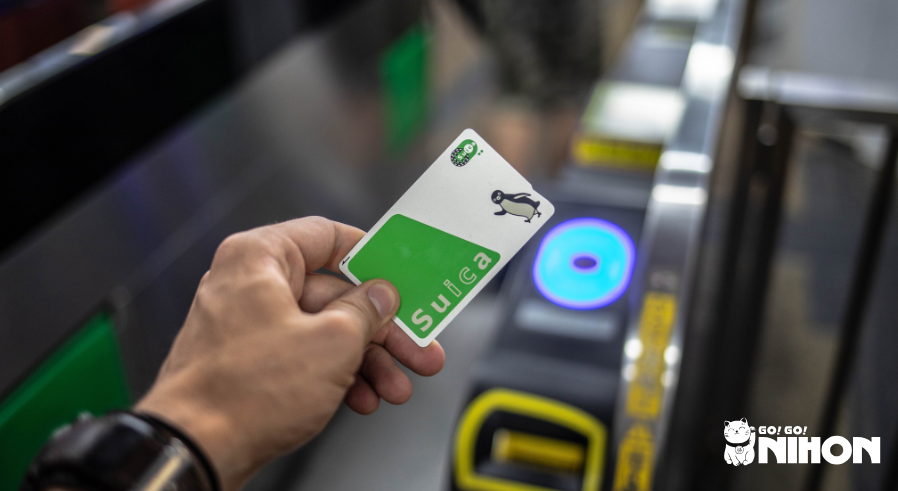
An IC Card (like a Suica or Pasmo) is a rechargeable travel card that is the easiest way to pay for almost all trains and buses in Japan, solving the problem of not knowing how to buy individual tickets.
Think of it as your all-in-one travel wallet. You simply tap the card on the reader when you enter the gate, and tap it again when you leave, which automatically calculates your fare. You can also use it to pay at most convenience stores and vending machines, as well as some shops and restaurants.
What are the best tips for using an IC card?
To make your travel smooth, the most important tips are to keep your card funded, tap in and out at the correct gates, and store it in an easy-to-reach place. Our team has a few key tips for managing your IC card during your free time:
- Cash is king: Always be sure you have some cash to charge your Suica at station kiosks.
- Minimum balance: Do not let it get below 500 JPY to ensure you can always enter the gates.
- Easy access: Keep it in an easy-to-reach place, like a dedicated pouch or a pocket in your phone case.
- Tap properly: Make sure to tap properly in and out of the gates to avoid getting stuck.
Note: You can also get a digital Suica on your phone so you don’t need to worry about losing the physical card.
Is the Tokyo train system complicated?
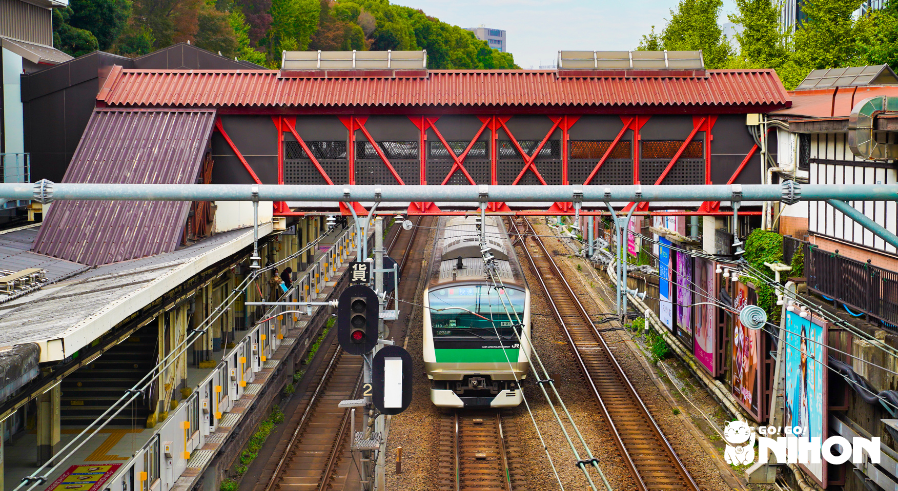
No, the Tokyo train system is not as complicated as it looks; it is incredibly efficient, and almost all signs are in English.
We know many students have heard that the train system is a major challenge, but this is a common myth. The system is designed to move millions of people, so it is made to be as clear as possible. As our Study Trip Programs Lead, Crystal, notes, the “train line color system and numbers makes it super easy!” You can match the color of your line on your map to the color of the signs in the station.
How do I use the trains in Tokyo?
The best way to use the trains is to use a map app on your phone, pay attention to the train type, and give yourself extra time.
Train type cheat sheet
It is crucial to check the type of train on your platform. As our Tour Leader Jose warns, mistaking a Local for an Express is the most common error new students make. Use this chart to choose the right train:
| Train Type | Stops | Speed |
| Local (Kakueki-teisha) | Stops at every station. | Slowest |
| Rapid (Kaisoku) | Skips some minor stations. | Faster |
| Express (Kyuko) | Skips many stations. | Fast |
| Limited Express (Tokkyu) | Skips most stations. | Fastest (Often requires extra fee) |
What if I get lost?
It is normal to get turned around in a big station, but it is almost impossible to stay lost.
Station staff are helpful, the main directional signs are in English, and you can always use Google Maps to find your way. Jose’s advice is to plan ahead: “Mind, some stations are big or easy to get lost in, so maybe try being earlier when taking the trains to avoid missing them.”
To learn more about how to take the train in Japan, check out our blog article on how to take the train in Japan.
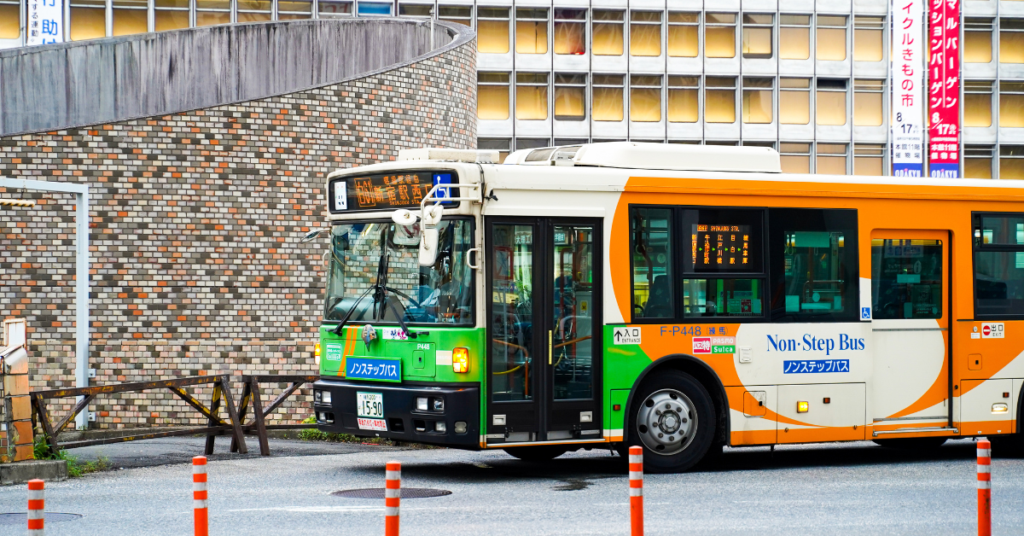
How do I use a bus in Japan?
Buses can be tricky, but there is a simple rule to follow based on the doors:
- Scenario A: You enter at the front → tap once. You pay a flat fare immediately when you enter.
- Scenario B: You enter at the rear → tap twice. Tap when you enter to mark your location, and tap again at the front when you exit to pay the distance fare.
When in doubt, watch what the locals do! It varies by area and prefecture — for example, buses in Tokyo are Scenario A, but buses in Saitama are Scenario B.
What is riding the Shinkansen (bullet train) like?
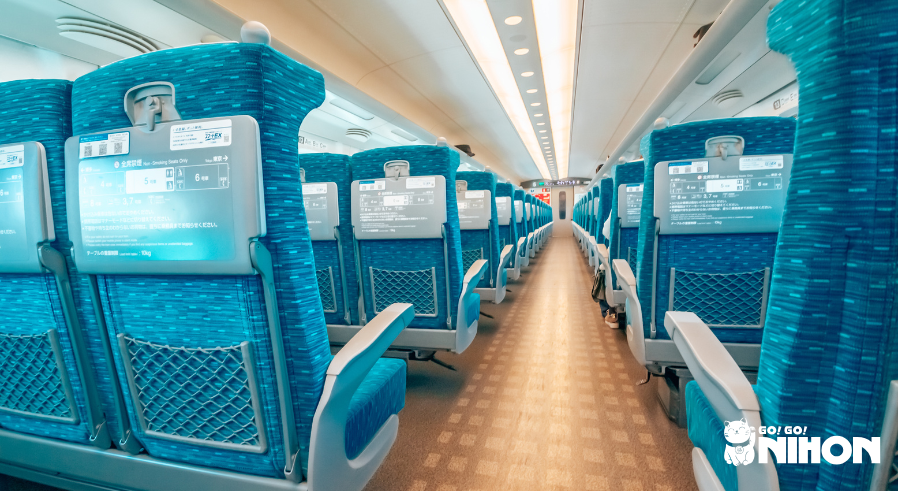
The Shinkansen is Japan’s famous high-speed bullet train, and riding it is an amazing experience that is fast, comfortable, and clean.
This is the best way to take a weekend trip to another city, like Kyoto. Our students are always amazed by their first ride. Past students have said, “it’s like flying” and that it is “so clean and comfortable.”
Others have noted, “it’s so insanely fast and convenient,” “it looks so cool,” and “the journey has gorgeous vistas,” like the famous view of Mount Fuji.
What apps do I need for Japan’s transportation?
For all scheduled Study Trip activities, our team organizes the travel for you. However, for your own exploration during free time, these apps are essential:
- Google Maps: The best all-around tool for navigation and finding shops or restaurants.
- Japan Transit Planner: Excellent for finding precise train schedules and platform numbers .
- SmartEX: The team-recommended app for booking Shinkansen tickets easily on your own.
Frequently asked questions about transportation in Japan
- Are trains in Japan on time?
Yes, most of the time, trains are very punctual. There are instances where they run late, but usually only by a few minutes. You can rely on your travel apps to provide you with updates on any delays. - What is the best way to get from the airport?
If you choose to add our optional airport pickup service to your booking, a driver will meet you at the airport and take you directly to your accommodation for a stress-free arrival. Otherwise, most airports have direct train or bus lines to the city center. - Do trains run 24 hours a day?
No, most trains in Tokyo stop running between midnight and 1:00 AM and do not start again until around 5:00 AM. Always check the time of the “last train” (shuden) on your navigation app so you do not get stuck! - Can I use my Tokyo IC card in other cities like Kyoto?
Yes — most of the time! Major IC cards like Suica and PASMO are generally compatible across Japan. This means you can use the same card you use in Tokyo for local travel during your weekend trips to Kyoto or Osaka. However, it is always best to check before you travel.
Conclusion
Getting around Japan can feel like part of the adventure itself. While the train maps may look complex, this Japan transportation guide shows that with the right tools and a few insider tips, you will be getting around the country like a local in no time. Now that you know how to get around, you are ready for your adventure. Explore our Study Trips and start planning your journey today!